


Property maintenance is a tightrope walk—you’re balancing safety, cost control, and tenant expectations with every decision. You’ll need a simple written plan, seasonal checklists, and routine inspections that follow notice rules and respect privacy. You can’t rely on scattered emails, so you should set a clear request process, maintain a vetted vendor list, and document repairs for code compliance. If you don’t tighten these steps now, the next “minor” issue could force your hand…
Build a Simple Property Maintenance Plan
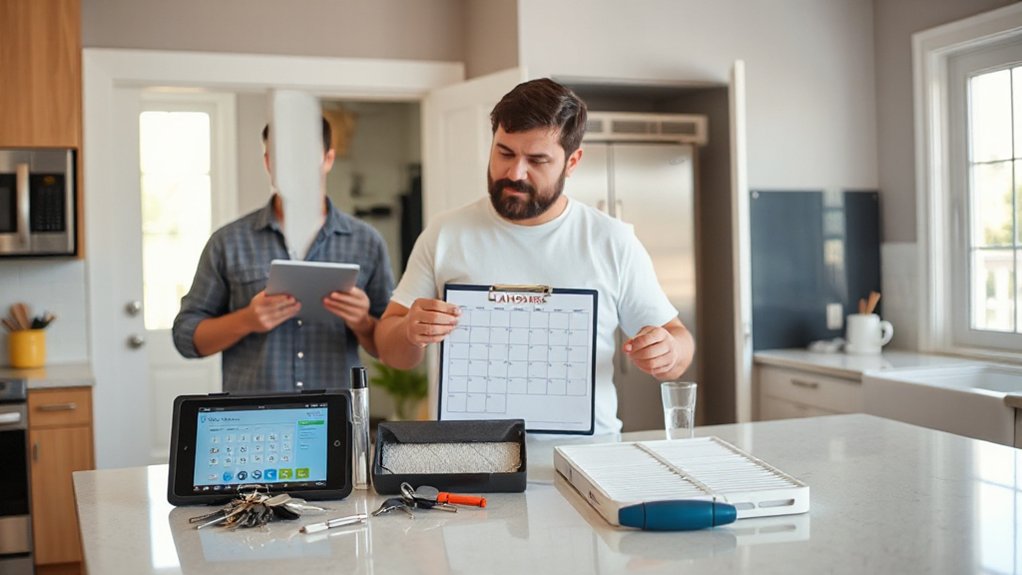
How do you keep property upkeep consistent without missing critical tasks? You build a simple maintenance plan that defines scope, cadence, and accountability.
Start by listing building systems and components, then assign inspection frequencies aligned with manufacturer guidance and local code. Document roles: you approve work orders, vendors provide proof of insurance, and staff log completion with timestamps.
Set service standards for response times and habitability issues to support compliance and reduce disputes.
Strengthen Tenant communication by publishing a clear reporting channel, emergency instructions, and notice procedures for entry. Pair that with budget planning: forecast routine service, reserve for capital replacements, and track actuals against estimates.
Review metrics monthly, update the plan after incidents, and retain records for audits.
Use a Property Maintenance Checklist for Each Season
Use a season-specific property maintenance checklist so you don’t miss time-sensitive inspections or required repairs.
In spring and summer, you’ll focus on exterior, HVAC performance, drainage, and pest control to keep conditions compliant and prevent deterioration.
In fall and winter, you’ll verify weatherproofing, heating safety, insulation, and snow/ice readiness to reduce risk and protect occupants.
Spring And Summer Tasks
As temperatures rise, your maintenance priorities shift from winter damage control to preventive care and safety compliance. Walk the exterior and document cracks, trip hazards, and loose handrails, then schedule repairs to meet local habitability codes.
Inspect roofs, gutters, and downspouts for blockages and confirm drainage routes water away from foundations. Test exterior lighting, GFCI outlets, and pool or spa barriers where applicable, and verify posted safety signage.
Plan Landscaping enhancements that preserve sightlines, keep branches off roofs, and prevent vegetation from blocking egress paths.
Implement Pest control strategies by sealing penetrations, screening vents, removing standing water, and coordinating licensed treatments with required notices.
Service HVAC, replace filters, and confirm thermostat operation before peak loads. Review irrigation timers to prevent overwatering and mold risks.
Fall And Winter Prep
Cooler weather shifts your focus from peak-season upkeep to preventing freeze damage and keeping systems compliant and safe. Start with a fall checklist: clean gutters, verify downspouts discharge away from foundations, and seal exterior penetrations.
Schedule HVAC service, replace filters, test thermostats, and document performance for warranty and habitability records.
Inspect roofs, flashing, and attic ventilation; address minor leaks before ice dams form.
Complete Landscaping upgrades by trimming limbs over roofs, clearing leaves from drains, and protecting irrigation lines.
For winter readiness, insulate exposed pipes, confirm heat trace where required, and locate shutoff valves.
Improve energy efficiency by weatherstripping doors, sealing windows, and checking insulation levels.
Test smoke/CO alarms, emergency lighting, and egress paths, then log corrections.
Schedule Routine Inspections Without Upsetting Tenants
Although routine inspections protect your asset and reduce emergency repairs, you’ll get better results when you schedule them with clear notice, a defined scope, and respect for tenant privacy.
Start with Tenant communication: send written notice that meets local entry laws, specifies who’s entering, and lists areas and systems you’ll check.
Plan Inspection timing to minimize disruption: offer compliant windows, avoid early mornings and holidays, and confirm access preferences.
Keep the checklist consistent—smoke/CO alarms, plumbing leaks, HVAC filters, GFCI outlets, and exterior drainage—so tenants don’t feel singled out.
Document findings with dated photos, but avoid personal spaces and don’t open drawers.
If you need follow-up, explain why, cite the lease clause, and provide the next notice promptly.
This builds trust and reduces complaints.
Set Up an Easy System for Maintenance Requests

When tenants can submit a repair request in under a minute, you’ll capture accurate details, time-stamp issues for compliance, and reduce after-hours calls. Use one primary intake channel (portal or dedicated email) and publish it in the lease, move-in packet, and posted notices to standardize tenant communication.
Require key fields: unit, contact, entry permissions, photos, and whether water, heat, electricity, or security is affected. Auto-acknowledge receipt with a ticket number, expected response window, and documentation reminder.
Build Emergency protocols into the form: clear prompts for gas odor, active leaks, no heat in winter, or fire alarms, directing tenants to call 911 or your emergency line immediately. Log every update, closeout note, and tenant confirmation.
Create a Vendor Network for Reliable Property Maintenance
Since one missed call can turn a small repair into a habitability issue, you need a vetted vendor network you can dispatch fast and trust under pressure.
Start with Vendor sourcing: prequalify licensed, insured, and bonded trades, confirm permit capability, and check references for on-time work and tenant-safe practices. Keep backups for each critical service (plumbing, HVAC, electrical, lockouts) and document after-hours coverage and response windows.
Standardize intake details you’ll provide, including property access rules, lead-safe requirements, and tenant notice expectations. Use Contract negotiations to lock in rates, overtime policies, workmanship warranties, and clear scope language that complies with local codes.
Require written estimates when feasible, and set communication standards so you get status updates without chasing.
Track Repairs and Costs to Prevent Bigger Problems
Even if your vendors respond fast, you still need a repair-tracking system that captures what broke, why it broke, and what it cost—before repeat failures become code, safety, or habitability violations. Log each work order with unit, trade, photos, dates, and the tenant’s report, then record diagnosis, parts, labor, and warranty terms for accurate Cost tracking.
Tag root causes (leaks, overloads, deferred maintenance) so you can spot patterns and justify capital replacements. Use Repair prioritization rules tied to life-safety, water intrusion, HVAC, and egress, and set response-time targets that match local habitability standards.
Review reports monthly to flag recurring issues, vendor callbacks, and budget overruns, and document corrective actions for audits, insurance claims, and dispute resolution later.
Frequently Asked Questions
Do I Need Landlord Insurance to Cover Maintenance-Related Damage?
You don’t always need landlord insurance, but you should carry it to protect against covered maintenance-related damage. Review your policy’s insurance coverage, exclusions, and deductibles, and budget maintenance costs separately, since routine upkeep isn’t covered.
How Do Local Housing Codes Affect Required Repairs and Timelines?
Like sending a telegram, you must follow local housing codes: they set required repairs and strict timelines. Building safety violations need prompt fixes, while Code compliance dictates notices, inspections, and penalties if you don’t act quickly.
When Can I Legally Enter for Emergency Repairs Without Notice?
You can enter without notice only for immediate threats to life, safety, or property (fire, flooding, gas leaks). Follow Emergency procedures, minimize intrusion, document actions, notify tenants promptly, and respect Tenant rights under local laws.
Should I Create a Reserve Fund for Maintenance, and How Much?
Yes—you should; like a steady drumbeat, it keeps you compliant and ready. Build a Reserve fund equal to 1–3% of property value annually, plus one month’s rent. Track line-items via Maintenance budgeting.
How Do I Handle Maintenance Disputes That Could Lead to Rent Withholding?
Document issues, respond fast, and keep tenant communication in writing. Follow habitability laws, give repair timelines, and offer dispute resolution options like inspection or mediation. You’ll reduce rent withholding risk and strengthen your compliance trail.
Conclusion
You keep property maintenance reliable when you follow a clear plan, work seasonal checklists, and schedule routine inspections with proper notice and respectful timing. You’ll reduce surprises by offering a simple request system, vetting vendors, and confirming licensing and insurance. Track repairs, costs, and recurring issues, because documentation supports code compliance and smarter budgeting. Like a well-wound pocket watch, consistency keeps everything moving. When you communicate clearly and act fast, you protect tenants and your investment.