


Your maintenance budget can feel like a leaky bucket, dripping money in places you can’t see. You can stop the bleed by setting a clear annual target, mapping seasonal tasks, and tracking costs as they hit. You’ll also keep surprises smaller by prioritizing preventive fixes and comparing vendor quotes before you commit. The next step is where most budgets either hold steady or break—because it forces you to choose.
Set a Clear Property Maintenance Budget Target

Before you spend a dollar on repairs, set a clear maintenance budget target that matches your property’s size, age, and risk tolerance. Start by reviewing last year’s invoices and separating routine costs (landscaping, filters, pest control) from capital items (roofing, HVAC).
Then adjust for inflation, occupancy, and any known wear points. Use a Property inspection to rank systems by likelihood of failure and replacement cost, and assign each a dollar reserve so surprises don’t wreck cash flow.
Set a hard annual cap and a smaller contingency line for urgent fixes, so you don’t raid other accounts. When work is needed, tighten contractor negotiations: request itemized bids, compare scopes, and lock labor rates and change-order rules before signing.
Build a Yearly Property Maintenance Calendar
Build a yearly property maintenance calendar so you can map seasonal tasks like gutter cleaning, HVAC tune-ups, and winterization before small issues turn into expensive repairs.
Lock in recurring service dates for inspections and vendor visits, then set reminders so nothing slips past your planned spend.
Track costs and deadlines in the same calendar to spot overruns early and keep your maintenance budget on target.
Identify Seasonal Maintenance Tasks
When should you tackle key upkeep so small issues don’t turn into expensive repairs? Map tasks by season so you buy materials once, bundle work, and prevent damage.
In spring, clear gutters, inspect roofs and flashing, test sump pumps, and touch up exterior caulk. Use landscaping tips like edging, mulching, and grading soil away from foundations to reduce moisture and erosion.
In summer, check irrigation leaks, clean HVAC coils, and seal pavement cracks before they spread. Add pest control checks for ants, termites, and rodents; close gaps and trim vegetation off siding.
In fall, service heating equipment, drain exterior spigots, and store hoses.
In winter, monitor ice dams, insulate exposed pipes, and spot-check for drafts and condensation.
Set Recurring Service Dates
Although seasonal checklists keep you organized, you’ll control costs better by setting recurring service dates on a yearly maintenance calendar. Start by listing every routine service with its ideal frequency: HVAC tune-ups, gutter cleaning, pest control, fire extinguisher inspections, backflow tests, and roof walk-throughs.
Then assign fixed weeks (not vague months) so vendors can quote early and you can lock in bundled visits.
Use scheduling software to create repeating appointments and assign responsibility to a specific person or vendor. Turn on maintenance alerts 30–45 days ahead, giving you time to approve access, order filters, and stage materials.
Group similar tasks by location to cut travel fees. Finally, review the calendar quarterly and adjust dates for occupancy, weather, or warranty requirements.
Track Costs And Deadlines
How do you keep small maintenance expenses from quietly turning into a budget blowout? You track every job’s cost and due date on a yearly maintenance calendar. Create one line per task: vendor, materials, estimated hours, target date, and a not-to-exceed cap.
Log actual invoices the same day you get them, then run monthly cost analysis to compare estimates vs. reality and spot repeat overruns.
Add deadline management rules: set reminders 30/14/7 days out, assign an owner, and note lead times for parts and permits.
Color-code urgent safety items, seasonal tasks, and discretionary upgrades so you can defer low-priority work when cash is tight.
Review the calendar quarterly and rebalance funds before problems compound.
Split Your Property Maintenance Budget by Seasons
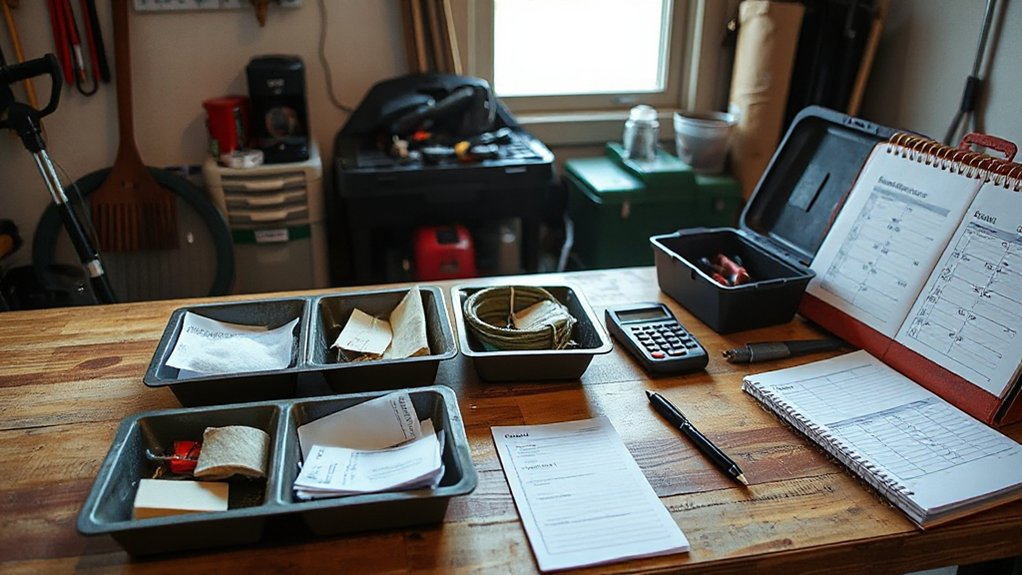
Because your maintenance costs don’t hit evenly throughout the year, split your budget by season so you can fund predictable spikes without scrambling. Start with last year’s invoices and sort them into spring, summer, fall, and winter buckets, then assign percentage targets to each season based on your actual spend. Build in Seasonal budget adjustments for weather swings and vendor price changes.
Tie the numbers to Maintenance scheduling so cash flow matches your calendar. For spring, reserve funds for landscape refresh and exterior washdowns; for summer, plan for irrigation checks and pest service; for fall, budget for gutter cleaning and site lighting checks; for winter, set aside money for snow removal, extra janitorial hours, and emergency callout premiums.
Review quarterly and rebalance if a season runs hot.
Prioritize Repairs That Prevent Expensive Damage
When you’re trying to keep your maintenance budget predictable, prioritize repairs that stop small issues from turning into major failures. Start with water intrusion: fix dripping supply lines, recaulk tubs, clear gutters, and patch roof flashing before rot and mold trigger costly remediation.
Next, address safety and systems: replace failing smoke/CO detectors, service HVAC filters and condensate drains, and tighten loose electrical connections to prevent shutdowns and claims.
Use inspection checklists and track recurring work orders so you spend on root causes, not repeat visits.
Pair repairs with emergency preparedness: stock shutoff tools, label valves, and keep vendor contacts current.
Strengthen tenant communication by giving clear reporting steps and quick acknowledgment, so leaks and odd smells reach you early.
Get Multiple Quotes for Maintenance Work
Before you approve any maintenance work, you should get at least three quotes and compare the bids side-by-side.
You’ll keep pricing honest by standardizing what each contractor must include—scope, materials, labor hours, permits, cleanup, and warranty.
When every quote follows the same requirements, you can spot inflated line items fast and pick the best value for your budget.
Compare Bids Side-By-Side
Even if you already have a contractor you trust, you’ll keep your maintenance budget tighter by comparing bids side-by-side. Lay each quote next to the others and circle the big cost drivers: labor hours, material markups, equipment fees, and trip charges.
Then compute an “all-in” total, including taxes, permits, and disposal, so you don’t get surprised later.
Price alone isn’t the win—check Vendor reliability by reviewing response times, warranty history, safety record, and how often they hit promised schedules.
Factor in Contract flexibility, too: can you negotiate payment milestones, bundle recurring tasks, or lock rates for a set period?
Use the comparison to ask for adjustments and remove unnecessary add-ons. You’ll spot outliers fast and choose the best value.
Standardize Quote Requirements
Side-by-side bids only help if each contractor priced the same scope, so standardize your quote requirements before you request numbers.
Create a one-page template that defines the work area, required materials, finish level, cleanup, disposal, and warranty terms.
Specify unit pricing where possible (per fixture, per linear foot, per hour) so change orders don’t explode your budget.
Require contractors to break out labor, materials, permits, equipment, and after-hours rates, and to note exclusions in writing.
Set the same site-walk date, response deadline, and insurance/licensing proof for everyone.
When you Standardize quote requirements, you’ll cut back-and-forth, reduce hidden assumptions, and streamline contractor selection based on true apples-to-apples pricing, not vague promises.
Decide What to DIY vs. Hire Out

If you want to keep your maintenance budget predictable, you’ve got to draw a clear line between jobs you can handle yourself and tasks that warrant a pro. Start with low-risk, repeatable work: air filters, caulking, touch-up paint, minor landscaping, and simple fixture swaps. Price your time and tools, and cap DIY spend so “small” projects don’t creep.
Put DIY safety first: skip anything involving electrical panels, gas lines, structural changes, roof work, or mold remediation. Those risks turn into expensive rework and liability.
For hire-out jobs, focus on contractor selection: verify licensing and insurance, check references, and choose specialists for the system at issue. Bundle similar repairs into one visit to reduce minimum call-out fees and downtime.
Track Property Maintenance Spending in Real Time
Once you track maintenance spending as it happens, you stop guessing where the money went and start catching overruns before they stick. Use maintenance technology to log every work order, invoice, and material charge the same day. Require vendors to reference a job number and upload photos, receipts, and time notes so you can audit quickly.
Set category budgets (plumbing, HVAC, grounds) and review dashboards weekly to spot spikes, repeat calls, or out-of-hours labor. Approve change orders in writing before work continues, and compare quoted vs. billed totals line by line.
Tight vendor relationships help here: share your approval rules upfront, pay on time, and ask for itemized pricing. When you see costs rising, adjust scope immediately, not after month-end close.
Create a Reserve Fund for Surprise Repairs
Although you can predict routine upkeep, surprise failures like a burst pipe, roof leak, or compressor burnout will blow up your month unless you’ve set cash aside. Build an emergency fund dedicated to property repairs, separate from operating cash, so you don’t rob rent reserves or delay critical fixes.
Start with a target of 1%–3% of property value or $1,000 per unit, then contribute a set amount monthly based on your risk factors (age of systems, climate, tenant load). Keep it liquid in a high-yield savings account and define triggers for use: safety, water intrusion, heat/AC loss, or code issues.
Pair it with solid insurance coverage by knowing deductibles and exclusions, so reserves cover gaps without overspending.
Review Your Property Maintenance Budget Every Quarter
Because maintenance costs drift as seasons change, vendors raise rates, and systems age, you should review your property maintenance budget every quarter to catch small variances before they turn into overruns. Pull your actual spend by category, compare it to your forecast, and flag anything that’s 5–10% off.
Then trace causes: more work orders, higher material prices, or a missed preventive task that’s creating repeat calls. Use tenant communication to confirm recurring issues early, schedule access efficiently, and reduce after-hours labor.
Bring the data into vendor negotiations: ask for itemized invoices, lock pricing for common services, and rebid if performance slips. Update your projections, adjust reserves, and set next quarter targets for cost per unit.
Document decisions and follow up.
Frequently Asked Questions
Are Property Maintenance Costs Tax-Deductible for Homeowners or Landlords?
If you’re a landlord, you can claim a tax deduction for repairs as deductible expenses; if you’re a homeowner, you usually can’t. Track invoices, separate improvements from repairs, and document rental-use percentages accurately.
How Do I Budget Maintenance for a Newly Purchased Older Property?
Walk through your older home like a flashlight-wielding detective: set aside 1–3% of value yearly, plus a starter reserve. Schedule routine inspections, plan seasonal preparations, price big-ticket replacements, and track every repair in a spreadsheet.
What Insurance Coverage Helps Offset Unexpected Major Repair Costs?
You’ll offset major repair costs with homeowners insurance plus endorsements: dwelling and other-structures for storm/fire damage, sewer backup, and equipment breakdown. Review coverage options, deductibles, and limits, so Insurance claims actually reimburse.
How Can I Estimate Maintenance Costs for Condos With HOA Fees?
Estimate by reviewing HOA budgets, reserve studies, and fee histories, then add your unit’s interior upkeep. Separate what fees cover—landscaping costs, pest control—from what you’ll pay. Build a contingency and track invoices monthly.
Which Apps or Tools Best Automate Maintenance Budgeting and Reminders?
Picture a blinking calendar like a lighthouse: you’ll automate with AppFolio or Buildium for Property management, plus Excel/Google Sheets templates for Budget planning. You’ll set recurring tasks in Todoist, use Mint, and sync alerts via Calendly.
Conclusion
You’d think the easiest way to control your maintenance budget is to “set it and forget it”—right until a tiny leak becomes a five-figure mess. So keep doing the unglamorous work: budget targets, seasonal calendars, and real-time tracking. Get multiple quotes, choose smart DIY, and fund a reserve so surprises don’t wreck cash flow. Then review quarterly and adjust fast. Ironically, the more you plan, the fewer “unexpected” repairs you’ll get.