
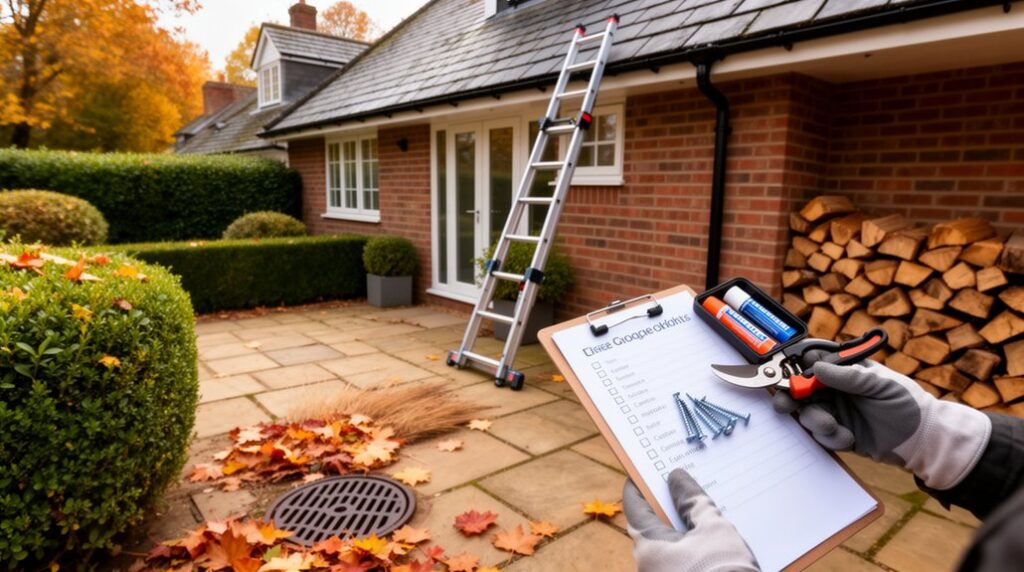

After one blocked gutter turned a routine autumn shower into a £2,000 ceiling repair, you start treating maintenance like a compliance calendar, not a chore. You’ll schedule seasonal checks for roofs, gutters, drains, paintwork, and gardens, then pair them with indoor duties like boiler servicing, EICR planning, ventilation checks, and damp controls. You’ll log certificates, photos, and remedial actions for insurers and audits—because the next issue won’t announce itself until…
Seasonal Property Maintenance Checklist: Quick Overview
Whether you manage a single dwelling or a small portfolio, you’ll get better compliance outcomes by running a seasonal maintenance checklist that aligns with UK duties on safety and habitability. You should structure tasks by risk: fire (smoke/CO alarms, escape routes), gas (annual CP12, ventilation), electrical (EICR cycle, RCD tests), water hygiene (Legionella controls), and building integrity (roofing, gutters, damp).
Record dates, contractors, and remedial actions to evidence “reasonable steps” under the Homes (Fitness for Human Habitation) Act 2018 and the Housing Health and Safety Rating System.
Add external controls: Gardening tips that prevent trip hazards, restrict invasive growth, and maintain boundary security. Schedule pest control checks for rodents, wasps, and bedbugs, then document treatment and follow-up inspections.
Spring Property Maintenance Checklist for UK Homes
As temperatures rise and winter moisture starts to move through the building fabric, you should run spring checks that target damp, drainage performance, and post-winter safety defects before they escalate into HHSRS hazards.
Inspect gutters, downpipes, and gulleys; clear silt and confirm positive falls to prevent ponding at thresholds. Check roof coverings, flashings, and soffits for wind-lift and decay, then test external taps and isolators for leaks and frost damage.
Internally, record humidity, look for tide marks, and confirm extractor fans meet Part F duty. Service alarms and check balustrades, steps, and handrails for looseness under Part K expectations.
In garden landscaping, re-grade soil away from walls and keep air bricks clear.
For interior decorating, seal stains only after drying and source-fix.
Summer Property Maintenance Checklist for UK Homes
Once warmer, drier weather settles in, you should switch from moisture recovery checks to heat, UV, and peak-occupancy risks that can trigger HHSRS hazards.
Verify adequate purge ventilation and shaded glazing to reduce overheating; keep trickle vents operable and extract fans compliant with Part F performance.
Service boilers isn’t essential now, but you should test carbon monoxide alarms and smoke/heat alarms to meet BS 5839-6 expectations.
Carry out a roof inspection for slipped tiles, degraded flashings, and blocked rainwater goods before summer storms; document defects for landlord compliance records.
Check garden lighting cabling, IP ratings, and RCD protection under BS 7671 to prevent electric shock outdoors.
Control legionella by flushing low-use outlets and keeping cold water below 20°C.
Inspect external paintwork and timber for UV-driven failure.
Autumn Property Maintenance Checklist for UK Homes
Before the temperature drops and daylight shortens, shift your focus from UV and overheating controls to rain ingress, wind uplift, and heating-system readiness that can quickly become HHSRS hazards.
Clear gutters, valleys, and gulleys; test downpipes and check splashback at gullies to prevent penetrating damp under the Housing Health and Safety Rating System.
Inspect roof coverings, flashings, and ridge fixings for wind uplift; replace failed sealants and secure loose tiles.
Check pointing, window seals, and airbricks; keep sub-floor ventilation unobstructed.
Service your boiler and bleed radiators; verify programmer, thermostatic valves, and carbon monoxide alarm compliance (BS EN 50291).
Add draught seals without blocking purge ventilation.
For Garden landscaping, cut back branches over roofs and drains, and regrade soil away from walls.
For Interior decor, treat mould and repaint with breathable finishes.
Winter Property Maintenance Checklist for UK Homes
Where do UK homes fail fastest in winter—during the first hard frost, a storm-driven downpour, or a heating outage? Start indoors: test your boiler and controls, bleed radiators, and verify pressure per manufacturer instructions; keep annual gas safety checks aligned to Gas Safety (Installation and Use) Regulations.
For energy efficiency, set thermostats with timed zoning, fit draught seals to doors, and confirm loft insulation hasn’t slumped or bridged ventilation paths. Check pipework in unheated voids; lag pipes and identify stopcock location for rapid isolation.
Test smoke alarms and heat alarms to BS 5839-6 guidance, and verify CO alarms to BS EN 50291.
For Home security, confirm door/window locks operate cleanly and replace weak batteries in alarms and smart locks.
Seasonal Property Maintenance Checklist for Outside Areas
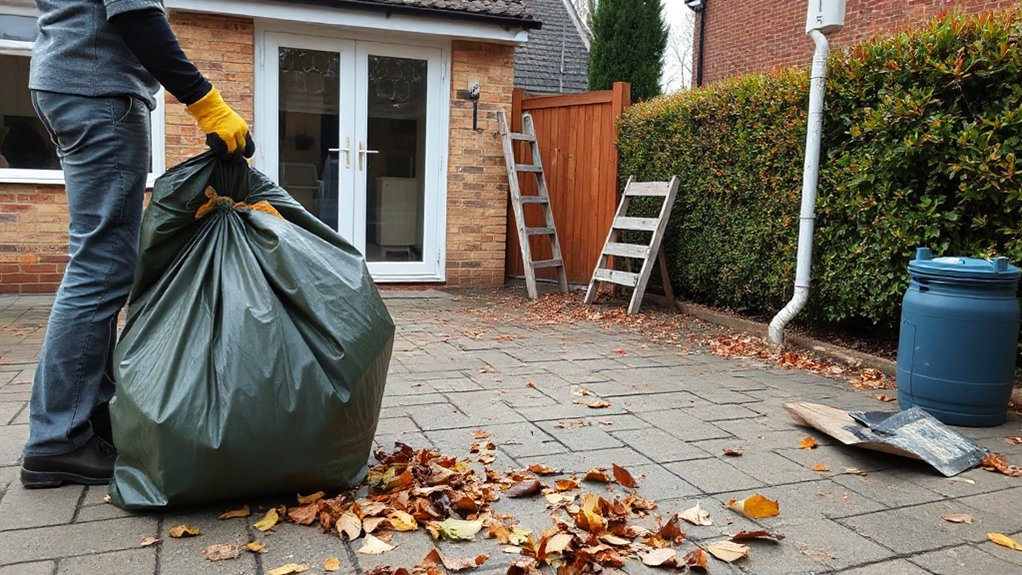
Although indoor systems keep you warm, outside areas usually determine whether winter moisture turns into structural damage, so you should inspect roofs, gutters, downpipes, external pipe runs, paving, boundaries, and outbuildings on a seasonal cycle.
Each season, clear debris from gutters, confirm falls to outlets, and water-test downpipes; repair joints before seepage breaches brickwork.
Check roof coverings from ground level, then secure loose flashings and replace cracked tiles, maintaining ventilation paths.
Lag external pipe runs and isolate unused taps to reduce freeze-split risk.
Assess paving for trip hazards and drainage; re-bed rocking slabs and keep channels clear to meet occupier safety duties.
For Garden landscaping, prune back growth from walls and fences, and verify boundary stability.
Schedule Exterior painting when substrates are dry; prep, prime, and coat to manufacturer spec.
Seasonal Property Maintenance Checklist for Indoor Systems
Inside the home, you should schedule heating and boiler checks before peak demand, ensuring servicing meets manufacturer instructions and any applicable Gas Safety requirements.
You’ll then verify electrical safety by arranging periodic inspection and testing where required, and by confirming RCD protection and compliant consumer-unit labelling.
Finally, you should prevent plumbing failures by checking visible pipework, valves, and seals for leaks, maintaining correct water pressure, and insulating vulnerable sections ahead of cold snaps.
Heating And Boiler Checks
Before colder weather drives your heating into constant use, run a structured set of boiler and central-heating checks to reduce breakdown risk and keep the system compliant with UK safety expectations.
Book an annual Gas Safe engineer service for any gas boiler, and keep the certificate on file for landlord and insurance needs.
Confirm system pressure sits within the manufacturer’s range, bleed radiators, and top up inhibitor if required.
Inspect visible pipework and valves for weeps, corrosion, and insulation gaps.
Test your controls: programme Smart thermostats, verify TRVs respond, and confirm zone valves actuate.
Clean magnetic filters and check the condensate pipe for secure fall and frost protection.
Review fault codes and flue integrity externally.
Finally, compare flow/return temperatures and burner cycles to improve boiler efficiency.
Electrical Safety Testing
Once you’ve confirmed your heating runs safely and efficiently, set the same standard for electrics by scheduling seasonal electrical safety testing to reduce fire risk and keep your installation aligned with UK requirements.
If you’re a landlord, arrange an EICR at least every five years under the Electrical Safety Standards in the Private Rented Sector (England) Regulations 2020, and action any C1/C2/FI codes promptly.
For homeowners, follow BS 7671 guidance and book periodic inspection where circuits have been altered or show faults.
Guarantee a qualified electrician completes dead and live tests, RCD trip-time checks, and polarity verification.
During circuit inspection, confirm consumer unit labeling, check for overheating, verify bonding where required, and test smoke/heat alarm interlinks if fitted.
Document results and retain certificates.
Plumbing And Leak Prevention
Where will the next leak start—at a tired washer, a weeping compression joint, or a freezing-prone pipe run? Inspect all visible pipework, valves, traps, and radiator tails each season.
Tighten fittings to manufacturer torque guidance, not “hand tight plus”. Check stopcock operation and label it for emergency isolation.
Verify unvented cylinder safety devices and discharge pipework comply with G3 requirements, and never cap tundishes.
Use leak detection proactively: monitor meter creep with all outlets closed, and fit battery water alarms near appliances and under sinks.
Before cold snaps, confirm pipe insulation is continuous on loft, garage, and external-wall runs; seal gaps that admit draughts.
Drain and isolate outside taps where installed.
Record defects, photos, and remedial dates.
Seasonal Property Maintenance Checklist for Damp and Mould
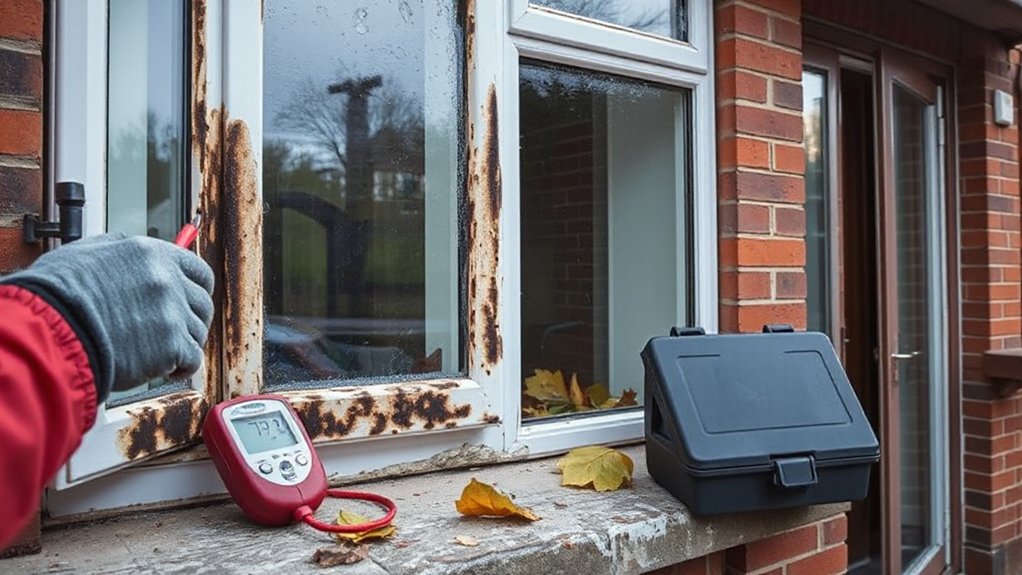
To control damp and mould seasonally, you’ll verify ventilation performance and keep heating consistent to prevent cold-surface condensation, in line with Building Regulations ventilation expectations.
You’ll inspect high-risk zones (bathrooms, kitchens, external walls, lofts, and around windows) for staining, musty odour, and elevated humidity, then log findings for follow-up.
You’ll clean affected areas with an appropriate biocidal wash, treat root causes (leaks, bridged DPC, blocked air bricks), and recheck to confirm conditions remain within safe limits.
Seasonal Ventilation And Heating
Although the UK’s damp, cold seasons can make it tempting to seal the house up, controlled ventilation and correctly operated heating are your primary controls for limiting condensation and mould growth. Keep background heat consistent to avoid cold-surface dewpoint events, especially in bedrooms and north-facing rooms.
Meet Building Regulations Part F intent by maintaining continuous extract in wet rooms and enabling trickle ventilation elsewhere; don’t disable fans or block vents. Check ventilation efficiency by confirming airflow paths: keep internal doors undercut or use transfer grilles so air can move from habitable rooms to extracts.
Run cooker hoods and bathroom fans for at least 15 minutes after moisture generation.
Under Part L, prioritise heating upgrades that improve controllability: programmable room stats, TRVs, and balanced radiator output. Set boiler flow temperatures appropriately for condensing operation without underheating rooms.
Inspect, Clean, And Treat
If you inspect methodically each season, you’ll catch damp pathways and early mould before they become a Building Regulations compliance issue or a fabric-repair job.
Check gutters, downpipes, air bricks, and external ground levels; confirm splashback isn’t bridging the DPC, especially where garden design raises beds or paving.
Indoors, log RH and temperature, then inspect cold corners, window reveals, and loft hatches for condensation.
Clean using detergent and water; don’t dry-brush. For small areas, apply a fungicidal wash to manufacturer instructions and rinse.
If staining returns, treat the cause: repair leaks, reinstate insulation, seal service penetrations, and maintain extract rates to meet Part F intent.
Replace water-damaged plasterboard and check timber moisture content.
Protect interior decor by isolating contents and using controlled drying, not heat spikes.
When to DIY vs Hire Property Maintenance Pros
Before you pick up a ladder or call a contractor, you should separate low-risk routine tasks from work that’s regulated, safety-critical, or likely to affect your home insurance.
DIY suits visual checks, clearing gutters from ground-safe access, minor sealant touch-ups, and replacing like-for-like light fittings only if you can isolate power safely.
Prioritise DIY safety: use stable platforms, PPE, and stop if you can’t maintain three points of contact.
Hire pros for gas work (Gas Safe), fixed wiring changes (Part P), roof repairs at height, structural cracks, damp diagnosis, asbestos suspicion, and any drainage relining.
Verify professional licensing, insurance, and method statements.
Keep dated photos, invoices, and certificates so you can evidence compliance after incidents, claims, or audits.
Seasonal Property Maintenance Checklist You Can Download
Whether you manage a single terrace or a rental portfolio, you can use a downloadable seasonal checklist to schedule compliance-critical inspections, routine upkeep, and evidence capture in one place. You’ll log dates, tester IDs, photos, and remedial actions, creating an auditable trail for landlords, agents, and contractors.
Build sections for gas safety (CP12), EICR review points, smoke/CO alarm tests, fire-door checks in HMOs, and legionella control measures where applicable. Add gutters, roof flashings, external drainage, and damp indicators per season, then set reminders for servicing boilers and cleaning extractor fans.
Include Pest control triggers (droppings, entry points, waste storage), plus treatment records. Store receipts and before/after images to support Property insurance claims and demonstrate reasonable care during disputes or inspections.
Frequently Asked Questions
How Much Should I Budget Annually for Seasonal Maintenance in the UK?
You should budget £1,000–£2,500 annually for seasonal UK maintenance, depending on property age and services. Allocate for guttering, boiler checks, garden landscaping, and pest control. Keep compliant with Gas Safety and building regulations; document works.
Do Landlords Have Different Seasonal Maintenance Responsibilities Than Homeowners?
Yes—you’ve got different duties: Landlord responsibilities cover structure, exterior, heating, hot water, and safety compliance; Tenant obligations cover routine care and reporting issues. You must document inspections, repairs, and response times to meet UK standards.
Which Home Insurance Issues Can Arise From Missed Seasonal Maintenance?
Like a cracked shield, you’ll face denied or reduced Insurance claims when missed upkeep triggers wear-and-tear exclusions, escape-of-water disputes, or unoccupied-property breaches; tighten Maintenance scheduling, document inspections, and comply with policy conditions.
How Can I Track Completed Maintenance Tasks and Keep Evidence for Disputes?
You track tasks with a dated maintenance log and ticked checklist for Record keeping. You store invoices, photos, and contractor certificates for Evidence collection. You back up files, label versions, and retain records for six years.
What Local Council Rules Affect Outdoor Maintenance, Trees, or Boundary Work?
Check your council for Tree Preservation Orders, conservation-area controls, and boundary regulations before Tree pruning or boundary work. You’ll need permissions for protected trees, hedge heights, and fence placement; report dangerous trees and comply with waste-disposal bylaws.
Conclusion
You don’t need a big budget or a full-time contractor to stay compliant; you just need a scheduled checklist and clear records. Work season by season, log inspections, certificates, and remedial actions, and you’ll support insurance, audits, and duty-of-care obligations. Tackle low-risk tasks yourself (cleaning, visual checks), but bring in qualified engineers for gas, electrics, roofing, and drainage. If you think “I’ll remember,” you won’t—document everything.