
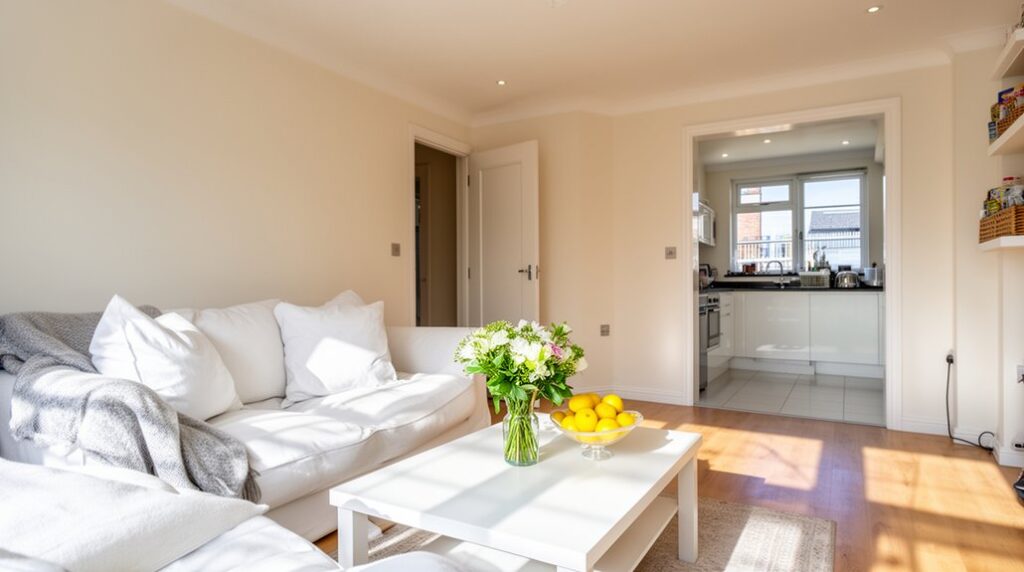

Coincidentally, the fastest way to boost your sale price often starts with the simplest prep work. You’ll get better feedback when you follow a tight 7-day plan, clear visual clutter, and deep-clean the areas buyers always inspect. You’ll also want curb appeal handled early, quick repairs finished, and staging kept neutral and intentional. But on viewing day, one overlooked detail can undo all that work, so you’ll need to check…
Set a 7-Day Plan to Get Viewing-Ready
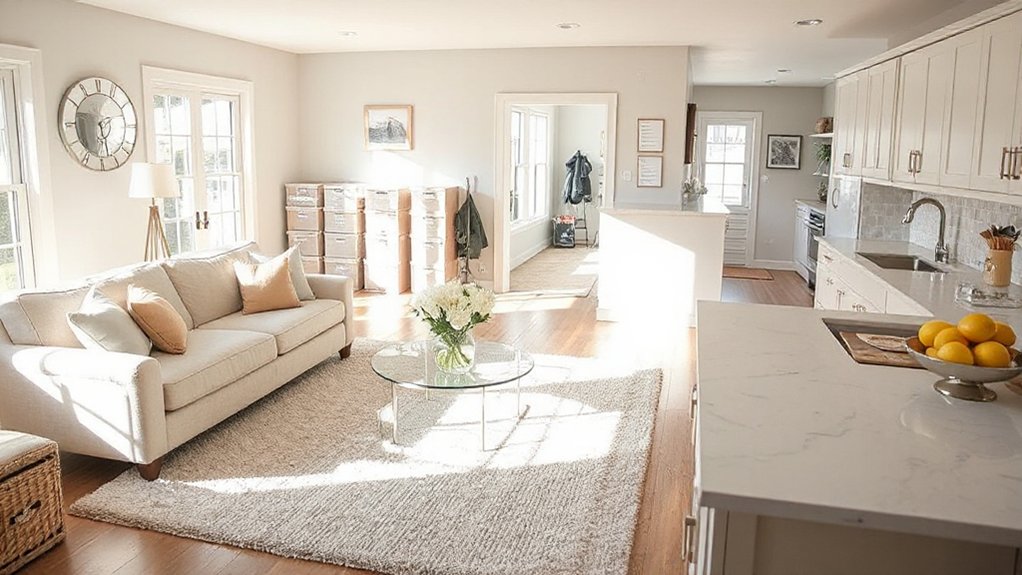
How do you get your home viewing-ready without scrambling at the last minute? Set a 7-day plan that breaks prep into focused, buyer-facing wins.
Day 7: book cleaners, confirm showing windows, and stage a “go-bag” for quick exits.
Day 6: declutter closets and cabinets to signal storage capacity.
Day 5: deep-clean kitchens and baths; buyers price homes off these rooms.
Day 4: tackle minor repairs—sticky doors, chipped paint, loose handles—and replace burnt bulbs.
Day 3: optimize lighting and airflow; swap heavy scents for neutral freshness.
Day 2: strengthen Home security—test locks, alarms, cameras, and secure valuables.
Day 1: review neighborhood safety talking points, notes, disclosures, and final walkthrough.
Boost Curb Appeal Before the First Viewing
Before buyers ever step inside, they’ll price your home in their heads from the street, so curb appeal has to do immediate work. Start with a clean, crisp frontage: pressure-wash the path, steps, and driveway, and repaint or touch up the front door and trim where scuffs show. Make your house number and mailbox easy to read and in good condition.
Invest in targeted Landscaping upgrades that signal low maintenance and care—edge borders, refresh mulch, prune shrubs off windows, and replace any dead plants with seasonal, neutral blooms. Fix bare patches in the lawn and remove weeds from cracks.
Upgrade exterior lighting so evening viewings feel safe and welcoming; replace mismatched fixtures, add warm bulbs, and ensure pathways and the entry are evenly lit.
Declutter Fast for Easier Home Viewings
Even if you’ve staged the exterior perfectly, clutter inside will shrink rooms and distract buyers from your home’s best features. Start with high-impact zones: entryway, living room, kitchen counters, and primary bedroom surfaces. Clear anything that doesn’t support the room’s purpose—mail piles, extra chairs, kids’ toys, and countertop gadgets.
Pack 30% of what you own to create breathable space and show generous storage. Use quick Storage solutions: lidded bins in closets, a basket for remotes, a tray for keys, and under-bed boxes for off-season items.
Keep only a few intentional decorative accents—one focal vase, two cushions, or a single artwork—so buyers notice light, layout, and flow. Finish by hiding personal photos and paperwork to help visitors picture themselves there.
Deep-Clean the Areas Buyers Always Check
Next, you’ll want to deep-clean the areas buyers always check, because spotless surfaces signal a well-maintained home. Make your kitchens and bathrooms shine by scrubbing grout, polishing fixtures, and clearing odors.
Then finish strong with clean floors, streak-free windows, and wiped baseboards that sharpen your home’s first impression.
Kitchens And Bathrooms Shine
Where do buyers linger—and judge hardest—during a viewing? In your kitchen and bathrooms, so make them unmistakably clean, bright, and low-maintenance.
Start with Kitchen organization: clear counters to one or two styled items, group pantry goods in matching containers, and align labels forward. Degrease the hood, polish appliances, and scrub the sink until it shines. Empty trash, deodorize drains, and wipe cabinet fronts, pulls, and switches.
In bathrooms, focus on grout, glass, and chrome. Remove personal products, pare decor to a single fresh towel set, and ensure mirrors are spotless.
Handle small Bathroom upgrades that signal care: replace a worn toilet seat, recaulk the tub edge, swap dated bulbs for bright neutral light, and fix drips fast. Leave a subtle, clean scent.
Floors, Windows, And Baseboards
After you’ve made the kitchen and baths feel spotless and low-maintenance, turn your attention to the surfaces that carry buyers through the home: floors, windows, and baseboards.
Start with floors: vacuum edges, remove stains, and mop with a product matched to your floor finishes so they look cared for, not dulled. If you have hardwood, buff scuffs and use a microfiber mop to avoid residue. For tile, scrub grout lines and rinse well.
Next, clean windows inside and out where possible, including tracks and sills. Replace burned-out bulbs near windows to maximize daylight. Keep window treatments simple: launder curtains, wipe blinds, and open them for showings.
Finally, wash baseboards and touch up nicks with matching paint.
Fix Small Issues Buyers Notice in Viewings
Walk through your home like a buyer and tackle the small flaws that can trigger doubt. Patch wall scuffs and nail holes so rooms photograph cleanly and show as well maintained.
Fix leaky faucets fast, because dripping and stains signal deferred upkeep and can weaken offers.
Patch Scuffs And Holes
Even if you’ve staged every room, scuffs and small holes still jump out during a viewing and can signal deferred maintenance. Tackle quick wall repairs before photos and showings so buyers focus on space, not flaws.
Walk each room at eye level and in strong light, then mark dents, nail pops, and baseboard scrapes with painter’s tape.
Fill holes with lightweight spackle, smooth with a putty knife, and sand flush once dry. Re-caulk small gaps at trim where paint has cracked, then wipe dust so primer bonds.
Finish with targeted paint touch ups using the correct sheen; feather edges to blend and avoid “polka dot” patches.
Clean scuff marks with a damp melamine sponge first to reduce repainting. Your walls will read fresh, cared-for, and move-in ready.
Fix Leaky Faucets Fast
Why let a slow drip undermine an otherwise polished showing? Buyers notice sound and staining fast, and they’ll wonder what else you’ve deferred. Stop the leak before viewings so your home signals care, not compromise.
Start with a quick check under every sink and around tub spouts. Tighten loose handles, then shut off the supply and swap worn washers, O-rings, or cartridges—most faucet repair kits match common brands. Reopen the valves, run hot and cold, and confirm the drip’s gone.
Wipe down chrome, clear any mineral buildup, and dry the cabinet base to remove musty cues. If you spot corrosion, low water pressure, or multiple leaks, call a licensed plumber. This small plumbing maintenance task protects value and buyer confidence.
Stage Key Rooms for Better Viewings
Before buyers notice your upgrades or layout, they’ll judge how each key room feels the moment they step in.
Start with the living room: place Staging furniture to create an easy conversation zone and a clear path through the space.
In the primary bedroom, center the bed, use matching nightstands, and keep surfaces minimal so the room reads calm and generous.
In the kitchen, clear counters, set out one purposeful accent, and open sightlines to show prep space.
In dining areas, define scale with a properly sized table and chairs, even if you borrow pieces.
Add Lighting enhancements that flatter each focal point: a statement fixture over the table and consistent lamps that make rooms feel intentional.
Keep closets partly empty to signal storage capacity.
Brighten, Air Out, and Neutralize Each Space
As soon as you’re done staging, shift your focus to light, air, and scent so every room feels fresh and move-in ready. Open curtains and blinds, clean windows, and swap heavy shades for lighter options to maximize daylight and perceived space.
Add Lighting upgrades: replace dim bulbs with warm, consistent LEDs, update dated fixtures, and use matching bulb temperatures to prevent harsh color shifts.
Next, improve airflow by clearing vents, replacing HVAC filters, and running fans to keep rooms comfortable and balanced.
For scent neutralization, remove odor sources first: empty bins, wash soft furnishings, and clean drains and trash areas. Use low-scent cleaners rather than masking sprays, and keep fragrance minimal so buyers can focus on the home’s features.
Viewing Day Checklist (Including Pets and Smells)
Even if you’ve staged and refreshed every room, viewing day can unravel quickly without a tight last-minute routine. Do a fast sweep: clear counters, hide chargers, and empty bins. Open windows for five minutes, then set a neutral temperature and turn on lights to keep spaces bright.
Prioritize Pet management: arrange a walk, daycare, or a friend’s house, and remove bowls, toys, and litter trays. If pets must stay, confine them to one ventilated area and post a note for viewers.
Execute Odor control: run extractor fans, wipe sinks and drains, and seal food waste. Avoid heavy sprays; use mild soap and fresh air instead.
Finally, secure valuables, put away medications, and leave on time so agents can show confidently.
Frequently Asked Questions
Should I Leave During Viewings, or Stay to Answer Buyer Questions?
You should usually leave during viewings so buyers speak freely, easing privacy concerns. Let your agent handle questions. If you stay, remain unobtrusive, enforce security precautions, and secure valuables, medications, and personal documents.
What Documents Should I Prepare to Share With Potential Buyers at Viewings?
Worried sharing papers feels pushy? You’ll look prepared: bring the seller’s disclosure, utility bills, property tax info, HOA docs, surveys, permits/warranties for Home improvement, and recent comps; pair with Staging tips. Keep copies handy.
How Many Viewings Should I Allow per Week to Avoid Disruption?
You should allow 3–6 viewings per week, clustered into two time blocks, to limit disruption. Keep home staging ready, and require pre-qualification. Highlight neighborhood safety with well-lit access and confirmed appointment details.
Can I Refuse a Viewing Request, and How Much Notice Is Reasonable?
You can refuse a viewing request; it’s within your rights—don’t bend over backwards. Ask for 24–48 hours’ notice, citing Privacy concerns and protecting Home staging. Offer alternative slots to keep buyer momentum.
Should I Disclose Recent Repairs or Issues to Viewers During a Showing?
Yes—you should disclose material recent repairs and any unresolved issues to viewers, following disclosure etiquette and repair transparency. You’ll build trust, avoid renegotiations, and reduce liability. Keep it factual, share receipts, and explain warranties clearly.
Conclusion
You’ve got seven days to turn “lived-in” into “listed.” Tackle curb appeal first, then declutter, deep-clean, and handle the quick fixes buyers always spot. Stage your strongest rooms, brighten every corner, and keep the air fresh and neutral. On viewing day, lock up valuables, manage pets, and do a final sweep for smells and mess. Not just clean, not just staged—compelling. Make it easy for buyers to say yes.