
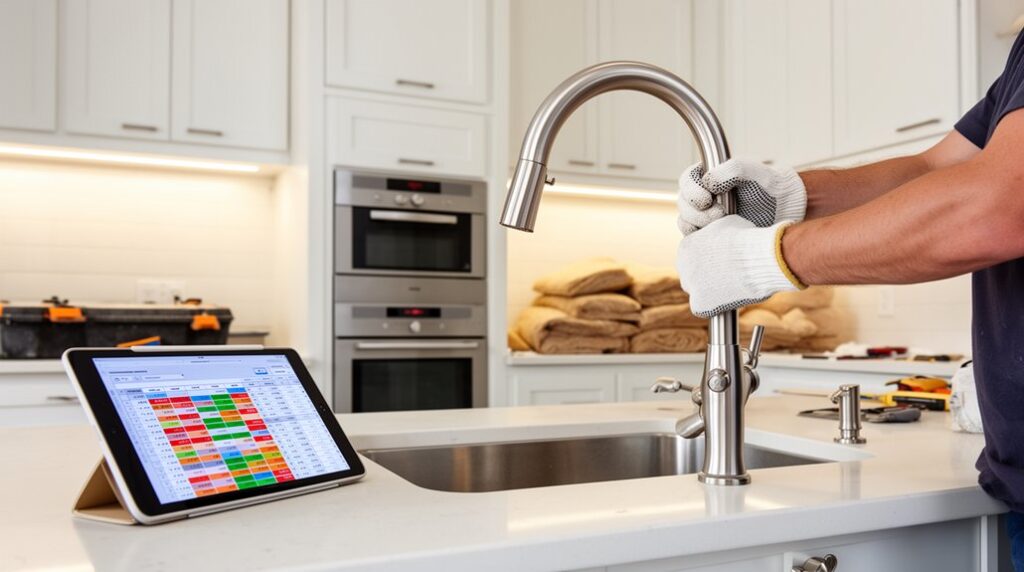

You don’t want upgrades that just look good—you want ones that return money, comfort, or fewer headaches. Start by defining your payoff: lower bills, higher resale, or longer-lasting systems. Then rank projects by payback speed and risk, factoring in rebates and likely maintenance savings. Quick wins like LEDs, air sealing, and a smart thermostat often beat flashy gadgets. But the smartest move depends on your home’s weak spots—so what should you measure first?
Define What “Payoff” Means in Your Home
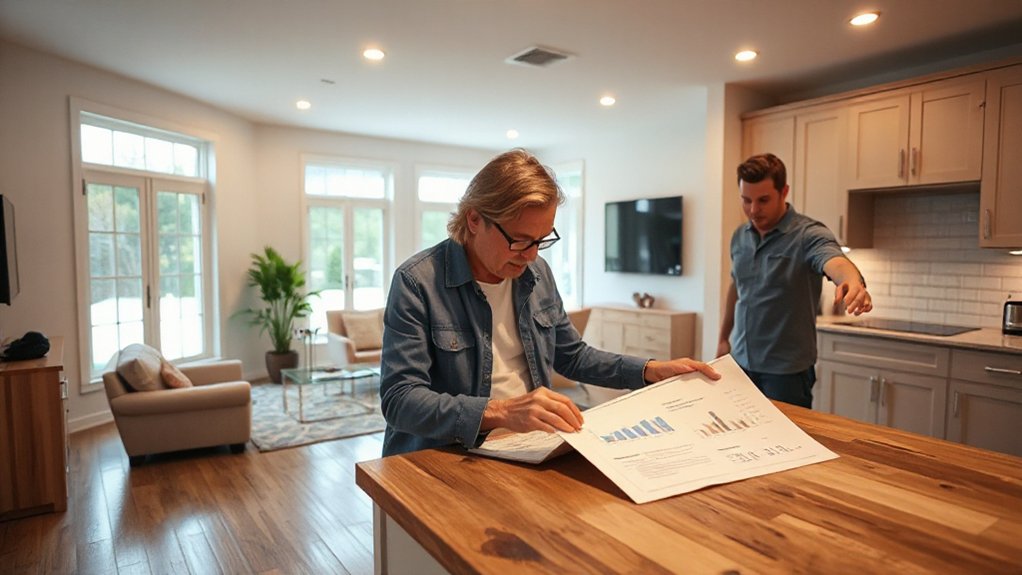
What does “payoff” actually mean in your home—lower monthly bills, fewer repairs, higher resale value, or simply a space you’ll enjoy using every day? You need to define it before you spend, because each goal changes what “smart” looks like and what risks you accept.
If you’re optimizing Home value, you’ll weigh buyer preferences, neighborhood comps, and how long you’ll stay. If you’re chasing durability, you’ll prioritize failure points and maintenance cycles, not finishes.
If you want lifestyle payoff, you’ll target friction: storage, lighting, layout, and usability, while keeping Aesthetic appeal consistent so changes don’t feel random.
Set a budget ceiling, a timeline, and success metrics, then rank projects by impact and downside. That framework keeps impulse upgrades from diluting returns.
Start With the Fastest-Payback Smart Upgrades
Once you’ve defined your payoff—resale, durability, lower bills, or daily ease—you can start with upgrades that return value quickly and limit downside if your plans change. Prioritize low-disruption swaps: LED lighting, smart thermostats, weatherstripping, and a video doorbell.
These tighten comfort, curb waste, and reduce maintenance without locking you into major construction. Keep choices interoperable: pick common platforms and avoid niche hubs so your home automation stays flexible.
Focus on visible wins, too—fresh hardware, updated faucets, and a cohesive paint refresh deliver aesthetic enhancements that make spaces feel newer with minimal risk.
Set a cap on scope, test one room or system first, and document what you changed so you can troubleshoot or hand it off easily later.
Run the Numbers: ROI, Payback, and Incentives
Before you commit, you’ll run the numbers by calculating ROI and payback so you can see when each upgrade actually returns cash.
You’ll compare multiple cost scenarios (upfront price, financing, maintenance, and energy-rate swings) to avoid surprises and choose the lowest-risk path.
Then you’ll identify rebates and tax credits that can cut the net cost and materially shorten your payback window.
Calculate ROI And Payback
Even if an upgrade looks like an obvious win, you shouldn’t approve it until you’ve run the numbers on ROI, payback period, and any incentives that change the true cost.
Start by estimating annual benefits: lower utility bills, reduced maintenance, or higher rent/resale value.
Divide net gain by net cost to get ROI, and divide net cost by annual benefit to get payback.
Treat incentives as cash: subtract rebates, tax credits, and utility programs from upfront cost, but confirm eligibility, caps, and timelines.
Use conservative assumptions and include risk buffers for delays, financing interest, and performance shortfalls.
Even “soft” projects like Home decor or landscaping design need numbers: assign expected value lift, not vibes, so you don’t overinvest relative to your target horizon.
Compare Upgrade Cost Scenarios
After you’ve calculated baseline ROI and payback, pressure-test the decision by comparing cost scenarios side by side instead of betting on a single estimate. Build three cases: low, expected, and high.
For each case, vary labor rates, material grades, permitting, and downtime. Then rerun cash flows, not just totals, so you see how timing shifts payback.
Use Cost comparison to rank options by net present value, payback range, and break-even point.
In your investment analysis, stress-test energy prices, maintenance costs, and usage assumptions.
If the upside only works in the best case, you’ve found a fragile upgrade. If returns stay acceptable in the high-cost case, you’ve found resilience.
Document assumptions so you can negotiate bids and avoid scope creep later.
Identify Rebates And Tax Credits
Where do incentives actually change the decision instead of just improving the headline ROI? They matter when they shorten payback enough to fit your hold period, cash-flow limits, or lender requirements.
Start by listing every program: utility rebates, state grants, federal credits, and manufacturer offers. Then confirm Rebate eligibility and Tax credit eligibility before you buy—model numbers, efficiency ratings, installer certification, pre-approval steps, and filing deadlines often decide whether you get paid.
Run numbers two ways: with incentives and without, so you don’t overcommit. Treat incentives as uncertain cash until you’ve met paperwork and inspection rules.
Build a conservative case using the net cost after likely incentives, and a downside case if they’re denied. If the project only works with incentives, mitigate risk or defer.
Smart Upgrades That Cut Energy and Water Bills
How do you lower monthly utility bills without gambling on pricey remodels that may not pay back? Start with upgrades you can measure quickly. Swap to Energy efficient lighting in high-use areas first, then confirm savings by comparing kWh before and after on your bill.
Target waste next: seal obvious air leaks and add a programmable thermostat, but verify compatibility with your HVAC so you don’t create short-cycling risk.
For water, install Water saving fixtures—low-flow showerheads, faucet aerators, and high-efficiency toilet components—and track gallons used if your utility provides data.
Prioritize projects with low upfront cost, short payback, and minimal installation complexity. When estimates look optimistic, run conservative assumptions and keep receipts for rebate documentation.
Avoid anything that forces major plumbing or electrical rework.
Smart Upgrades That Improve Comfort Day-to-Day
To improve day-to-day comfort, you need to control drafts, temperature swings, and uneven rooms without creating moisture or ventilation problems.
You’ll start with improved insulation and air sealing, targeting the biggest leakage points so you get measurable comfort gains with minimal risk.
Then you’ll add smart thermostats and zoning to fine-tune temperatures by room and schedule, avoiding over-conditioning and keeping the system from short-cycling.
Improved Insulation And Sealing
Even if your HVAC system runs perfectly, weak insulation and leaky air gaps will keep dragging comfort down and utility costs up. Start by identifying where heat escapes: attic hatches, rim joists, recessed lights, and poorly weatherstripped doors.
Choose insulation materials that fit the space and moisture conditions; the wrong R-value or vapor control can trap water and trigger rot or mold.
Next, apply sealing techniques before you add insulation, because air movement defeats even high-performance batts. Use caulk for small cracks, foam for wider penetrations, and gaskets behind outlet plates on exterior walls.
Verify results with a smoke pencil or infrared scan. You’ll cut drafts, reduce temperature swings, and protect your building envelope without introducing hidden moisture risk.
Smart Thermostats And Zoning
Because your home’s heating and cooling needs change hour by hour, a smart thermostat can deliver more consistent comfort than manual setpoints by learning schedules, adapting to outdoor conditions, and tightening control around when you’re actually home.
To capture real gains, treat Smart thermostat installation as a commissioning step: verify HVAC compatibility, calibrate sensors, and set tight setbacks that won’t trigger long recovery cycles.
If some rooms run hot or cold, add zoning, but plan it like a control project. A careful zoning system setup uses dampers, multiple thermostats, and verified airflow so one zone doesn’t starve another or create high static pressure that strains equipment.
You’ll reduce temperature swings, cut runtime, and improve sleep comfort while managing risks like short-cycling and uneven humidity levels.
Smart Upgrades That Reduce Repairs and Maintenance
Where do most repair bills really come from—sudden failures, or small issues you didn’t catch in time? You can cut both by installing leak sensors under sinks, behind toilets, and near water heaters, then tying alerts to an automatic shutoff valve.
Add smart smoke/CO detectors that self-test and notify you before batteries die. Use smart electrical monitoring to flag overloaded circuits and failing appliances early, reducing fire risk and surprise replacements.
For exterior durability, pair Smart home security cameras with motion lighting to deter damage and document incidents fast. Choose aesthetic enhancements that also protect surfaces—smart garage door control prevents weather exposure, and humidity sensors keep basements from slowly rotting.
Track alerts, act within 24 hours, and you’ll trade emergencies for planned fixes.
Skip Low-ROI Gadgets and Prioritize Resale Wins
If you’re upgrading with resale in mind, you’ll get better results by cutting gimmicky smart gadgets and doubling down on features buyers trust and inspectors won’t flag. Skip novelty displays, app-only locks, and proprietary hubs that date fast or complicate disclosures. You’re optimizing for broad appeal, not personal entertainment.
Put money into upgrades with predictable buyer value: modern thermostats from top brands, hardwired smoke/CO detectors, secure exterior lighting, and reliable Wi‑Fi infrastructure. Compare Gadget longevity and software-support timelines, because abandoned firmware can become a liability.
Weigh Brand reputation and warranty terms to reduce perceived risk at showings. Document permits, installation, and manuals so buyers see order, not mystery tech. If an upgrade can’t be explained in one sentence, it probably won’t pay back.
Frequently Asked Questions
What Smart Upgrades Add Value in Historic Homes With Renovation Restrictions?
Choose reversible upgrades: efficient HVAC, insulation, storm windows, and discreet electrical/plumbing updates. You’ll protect Historic preservation with aesthetic integration by matching materials and profiles. Verify approvals early, document changes, and avoid structural alterations that trigger compliance risks.
How Do Smart Devices Affect Homeowner’s Insurance Rates and Claim Approvals?
Like Odysseus tying off risk, you’ll often earn Insurance discounts when smart alarms, leak sensors, and cameras reduce losses. They can strengthen Risk assessments and speed claim approvals, but you must document installation and maintenance.
Can Smart Upgrades Increase Property Taxes After Reassessment?
Yes, smart upgrades can raise property taxes if reassessment values them as permanent improvements. You’ll reduce risk by prioritizing energy efficiency for cost savings, documenting installed costs, and checking local exemptions, thresholds, and appeal timelines.
Which Smart Systems Require Professional Installation to Meet Local Codes?
You’ll need a licensed pro for hardwired Smart lighting, panel-connected energy monitors, smart breakers, and security/fire systems; wait—code inspectors watch. Automated thermostats usually don’t, unless you rewire HVAC. Verify permits, avoid liability.
How Do Smart Home Devices Impact Privacy, Data Security, and Hacking Risk?
Smart home devices can expose User privacy by collecting audio, video, and usage data; weak passwords and outdated firmware raise hacking risk. You’ll reduce exposure by enabling Data encryption, strong authentication, updates, and network segmentation.
Conclusion
Define your payoff, then decide what you’ll do first. Focus on fast, frugal fixes—LEDs, smart thermostats, and tight weatherstripping—then track real bills to prove progress. Run the ROI, rebates, and payback math before you buy, so you don’t gamble on glossy gadgets. Choose durable, resale-ready upgrades that cut costs and curb callbacks. Document every detail, maintain what you install, and you’ll bank comfort and confidence.