
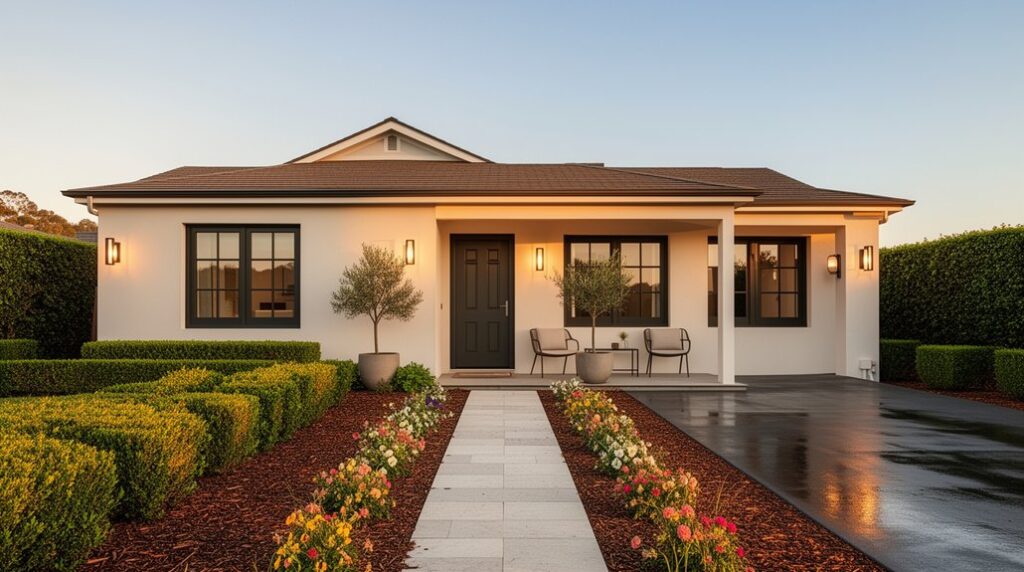

You could spend a fortune and still leave thousands on the table if you upgrade the wrong things before you list. You’ll get better offers when you prioritize high-ROI fixes buyers feel immediately: fresh neutral paint, modern lighting, minor kitchen and bath refreshes, and repairs that remove objections. Add curb appeal and smart staging so your home shows move-in ready. The key is knowing what to tackle first—and what to skip—so you don’t waste time or money…
Pick Upgrades by ROI, Budget, and Timeline
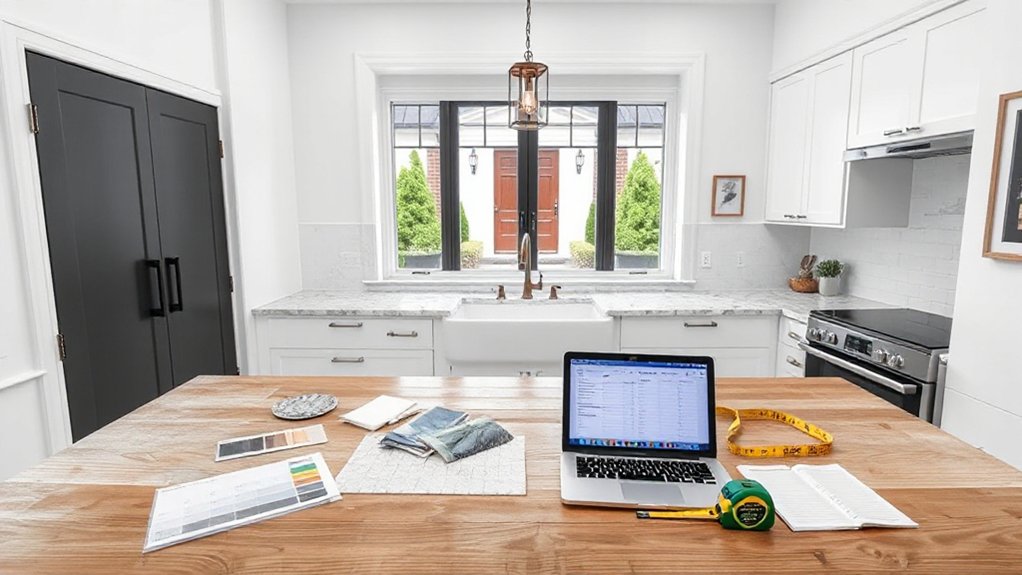
Before you spend a dollar, choose upgrades that match your ROI goals, your available cash, and how quickly you need results.
If you’re listing soon, prioritize fast, visible wins: fresh paint in neutral tones, updated lighting, and clean, cohesive interior decor that photographs well and broadens buyer appeal.
With a few more weeks, target mid-cost projects that buyers value, like refreshed kitchen hardware, modern faucets, and improved storage.
If you’ve got months and capital, run the numbers on higher-impact upgrades where your market pays you back, such as energy-efficient windows or a minor kitchen refresh.
Add smart technology—thermostats, keyless entry, and security—to signal convenience and lower operating costs.
Track quotes, cap spend, and protect your margin.
Fix Repairs That Trigger Lower Offers
Before you chase upgrades, you’ve got to fix the repairs that scare buyers into lowball offers. Tackle safety and code issues first, because they can block financing and shrink your buyer pool fast.
Then repair structural and water problems so inspections come back clean and your price holds.
Address Safety And Code
Even if you’re not planning a full renovation, you’ll get a stronger offer when you eliminate safety and code issues that scare buyers and trigger lender-required repairs.
Start with Safety inspections focused on items buyers notice fast: missing smoke/CO detectors, loose railings, broken steps, trip hazards, faulty GFCI outlets, exposed wiring, and stuck windows. These fixes are inexpensive, but they remove “deal-risk” and keep negotiations from turning into credits.
Next, confirm obvious building codes compliance: proper handrails, outlet covers, permitted-looking additions, and working exhaust fans in baths. Replace burned-out exterior lights and add secure locks so showings feel safe.
Keep receipts and a simple repair list so agents and appraisers can see you’ve handled the basics. When risk drops, confidence rises—and offers follow.
Repair Structural And Water Issues
While cosmetic updates can boost appeal, structural and water problems pull your price down fast because buyers and lenders treat them as high-risk, high-cost unknowns.
Start by prioritizing Foundation stability: address cracks, settling, bowing walls, and sagging floors with a licensed structural professional, then keep invoices and transferable warranties ready for showings.
Next, tackle leaks and standing water immediately—roof flashing, plumbing failures, grading, gutters, sump pumps, and drainage.
Invest in Moisture mitigation like crawlspace encapsulation, vapor barriers, dehumidification, and proper ventilation to stop odors, staining, and mold flags.
When you document repairs with photos, permits, and clear disclosures, you remove negotiation ammo, speed inspections, and position your home as financeable, move-in ready, and worth stronger offers.
Paint and Flooring That Add Property Value
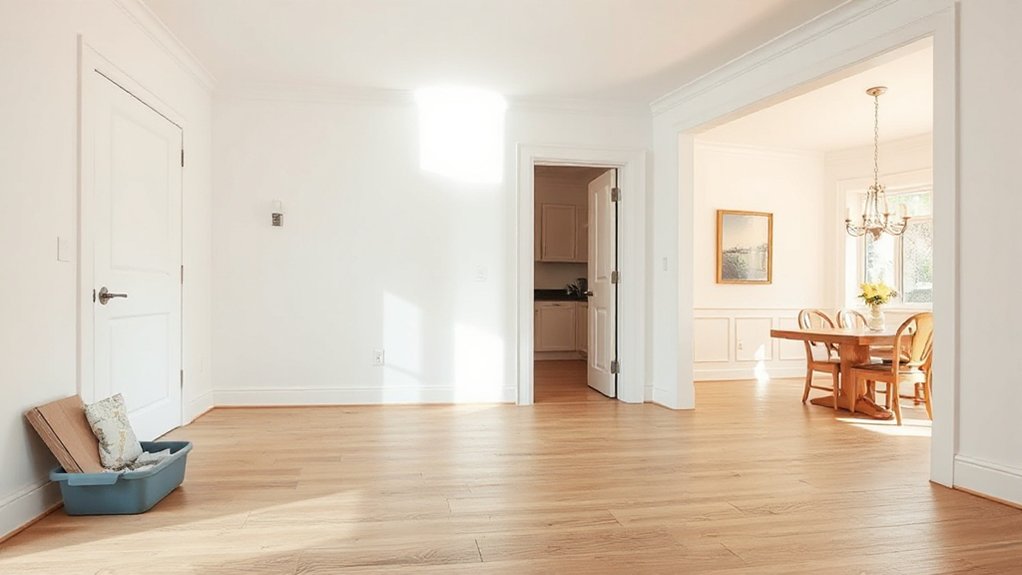
Because buyers decide how they feel about a home within seconds, fresh paint and updated flooring deliver one of the fastest, highest-impact value boosts you can make. You’ll get better offers when spaces look clean, consistent, and move-in ready.
Follow current Paint trends: warm whites, soft greiges, and muted earth tones that photograph well and broaden appeal. Paint ceilings bright, trim crisp, and choose a single palette to create flow. Patch nail pops and sand rough spots so the finish reads “well maintained,” not “quick cover-up.”
Then upgrade Flooring materials where buyers notice wear: entry, living areas, and main halls. Refinish hardwood if possible; if not, install quality LVP in a neutral tone for durability and a modern look. Replace stained carpet with low-pile, neutral options and new baseboards.
Curb Appeal Upgrades Buyers Notice First
You win buyers over before they step inside when you sharpen your curb appeal with fresh landscaping and clean mulch lines. Update your front door hardware to signal quality and care at the first touch.
Refresh the driveway and walkway so the approach looks crisp, safe, and move-in ready.
Fresh Landscaping And Mulch
Before a buyer ever steps inside, fresh landscaping and a clean layer of mulch can instantly signal “well cared for” and boost perceived value. You’ll make your home look newer, cleaner, and more move-in ready in a single weekend.
Start by edging the lawn, trimming shrubs, and pulling weeds so your plant beds read as intentional, not neglected. Refresh mulch to a consistent 2–3 inches for rich color, crisp contrast, and fewer weeds during showings.
Add simple flower arrangements near the entry and along walkways to guide the eye and photograph beautifully online. Replace dead plants, fill bare spots with low-maintenance evergreens, and water a few days before photos.
This small spend delivers outsized returns because buyers notice care first and price accordingly.
Updated Front Door Hardware
Want a curb-appeal upgrade that buyers notice in seconds? Swap dated front door hardware for a cohesive, modern set: handle, deadbolt, knocker, hinges, and a clean doorbell. You’ll signal “well cared for” before anyone steps inside, which supports stronger offers and fewer nitpicks during negotiations.
Choose finishes that match your home’s style—oil-rubbed bronze or brushed nickel can highlight Historic charm, while matte black can feel fresh and upscale. Add a smart lock for convenience and security without changing the look.
Don’t forget details: align screws, replace worn strike plates, and polish the mail slot. Pair the new hardware with warm outdoor lighting so it pops at dusk, when many showings happen. This small spend photographs beautifully, too.
Driveway And Walkway Refresh
Fresh hardware sets the tone at the door, but buyers form their first impression on the way to it—so a clean, crisp driveway and walkway can lift perceived value instantly.
Pressure-wash stains, edge the borders, and repair cracks so the surface reads “well maintained,” not “future expense.” If your concrete is tired, resurface or seal it; if it’s asphalt, fill, patch, and apply a fresh coat for sharper driveway aesthetics.
Update gravel by regrading and adding a defined steel or stone edge to stop spread.
For the path, reset uneven pavers, replace broken sections, and add polymeric sand to lock joints, boosting walkway durability.
Finish with low, warm path lighting and tidy planting lines to guide buyers smoothly to the entry.
Kitchen ROI Upgrades (Without Remodeling)
Because buyers still judge a home by its kitchen, you can boost perceived value fast with targeted, high-ROI upgrades that don’t require a full remodel—think strategic lighting swaps, modern hardware, updated faucets, and crisp finishes that make the space look newer, cleaner, and more expensive without the demolition budget.
Keep your Kitchen layout feeling open by clearing counters, removing bulky décor, and adding a slim rolling cart only if it improves flow. Replace dated knobs and pulls with matching matte black or brushed nickel, and add under-cabinet LEDs for instant “new build” polish.
Swap a worn faucet for a high-arc pull-down model and re-caulk the sink for a clean edge. A smart appliance upgrade—like a stainless range or over-the-range microwave—signals quality without changing cabinets.
Bathroom Refreshes That Feel “New” Fast
Once the kitchen looks dialed in, the bathroom becomes the next place buyers scan for “move-in ready” signals, and you can deliver that new-home feel fast without a gut job. Start by swapping dated Bathroom fixtures—faucet, towel bars, and cabinet pulls—so the room reads current in photos and showings.
Re-caulk the tub, clean grout, and touch up paint in a crisp neutral to erase “deferred maintenance.” For instant upgrades, focus on Shower enhancements: replace the showerhead, add a frameless-style curved rod, and install a sleek niche or corner caddy to reduce clutter.
Finish with a new mirror and a fresh, hotel-style set of white towels. These quick wins signal cleanliness, care, and value, helping you justify a stronger list price.
Lighting and Energy Upgrades That Pay Back
Even if you don’t touch the layout, smart lighting and energy upgrades can make your home feel newer, photograph brighter, and cost less to run—all signals buyers reward with stronger offers. Replace dated fixtures with modern LEDs, add dimmers, and install Smart lighting controls so buyers see convenience and efficiency in one glance. Aim for warm, consistent color temperature throughout to eliminate harsh rooms and shadowy corners.
Next, tighten your energy story: seal drafts, upgrade weatherstripping, and service HVAC for clean reports and lower projected bills. If your roof and budget allow, consider solar panels; they’re a headline feature that can differentiate your listing and justify pricing—especially with transferable warranties.
Document every upgrade, include utility-cost comparisons, and you’ll give buyers proof, not promises, when they negotiate.
Declutter and Stage to Raise Perceived Value
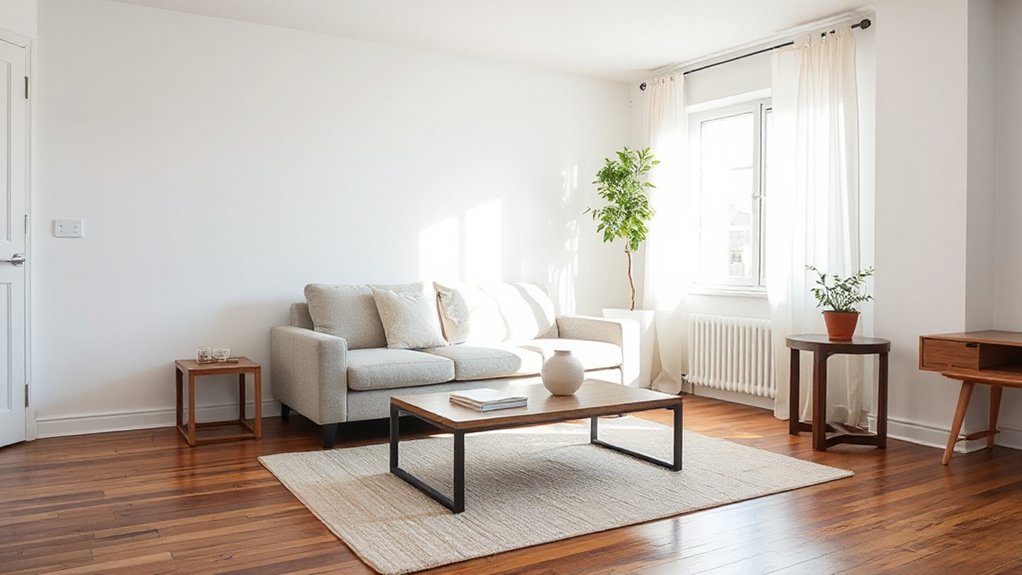
Stage each room with a clear purpose: dining for hosting, office for remote work, bedrooms for rest. Keep styling consistent with a neutral palette so buyers project their own taste without visual noise.
Add a few high-impact touches—fresh linens, coordinated towels, a simple centerpiece, and clean window treatments—to signal move-in readiness.
Finally, organize closets and the entry to telegraph abundant storage and an easy daily routine, supporting stronger offers.
Upgrades to Skip Before You Sell
Before you sink money into pre-listing projects, know that some upgrades rarely pay you back at closing—especially when buyers plan to customize anyway.
Skip ultra-personal interior decor like bold murals, niche built-ins, or trend-heavy wallpapers; they narrow your buyer pool and can trigger “fix-it” thoughts.
Avoid luxury reworks where existing finishes are serviceable, such as ripping out a functional kitchen for premium cabinets or stone.
Don’t replace windows, HVAC, or roof unless an inspection flags real issues; buyers value condition, not brand-new for its own sake.
Be cautious with smart technology packages, too: pricey whole-home systems date fast and may not transfer cleanly.
Instead, price your home to market, fix visible defects, and invest where appraisers and buyers consistently reward you most.
Frequently Asked Questions
Should I Get a Pre-Listing Appraisal or Comparative Market Analysis?
Get a comparative market analysis first; it’s faster, cheaper, and reflects neighborhood trends. Add a pre-listing appraisal if you need lender-grade confidence. Pair either with home staging to strengthen pricing power and attract offers.
How Do I Choose the Right Listing Price After Upgrades?
Choose your listing price by anchoring to recent upgraded comps, then nudge for your finishes and demand. Like a captain setting sail, you’ll use Home staging and Marketing strategies to test, attract, adjust quickly.
Are Property Value Gains Taxed When I Sell My Home?
Yes, you may owe taxes on your home’s profit; Tax implications depend on exclusions, filing status, and how long you lived there. Capital gains beyond limits get taxed—plan early to keep more proceeds.
Do I Need Permits or Disclosures for Completed Improvements?
You often need Building permits for structural, electrical, plumbing, or major remodel work, and you must meet Disclosure requirements for known defects and unpermitted changes. You’ll protect your sale price, reduce buyer pushback, and avoid delays.
When Is the Best Season to List for Maximum Sale Price?
You’ll usually net the highest price listing in spring, when demand spikes and buyers compete. Watch Seasonal trends and use smart Market timing—early spring or early fall—so you’ll attract motivated offers fast.
Conclusion
You’ve done the smart upgrades—high-ROI fixes, fresh paint, simple kitchen and bath refreshes, stronger curb appeal, brighter lighting, and a clean, staged look. You’ve avoided costly projects that don’t pay back. Now comes the part most sellers miss: consistency. Walk through like a buyer, not an owner, and catch the tiny distractions before they cost you thousands. Because when the first showing hits, one detail will decide it—will it be yours?