


You define the scope, you verify credentials, you compare quotes. Start by mapping the work to the correct licensed trade, then confirm permits, insurance, and local code requirements apply before anyone steps on-site. You’ll want written, line-item pricing, clear exclusions, and a realistic schedule tied to inspection points. If you skip these checks, you can pay twice or fail compliance—so the next step is knowing exactly what to ask before you book.
Define the Scope and the Right Tradesperson
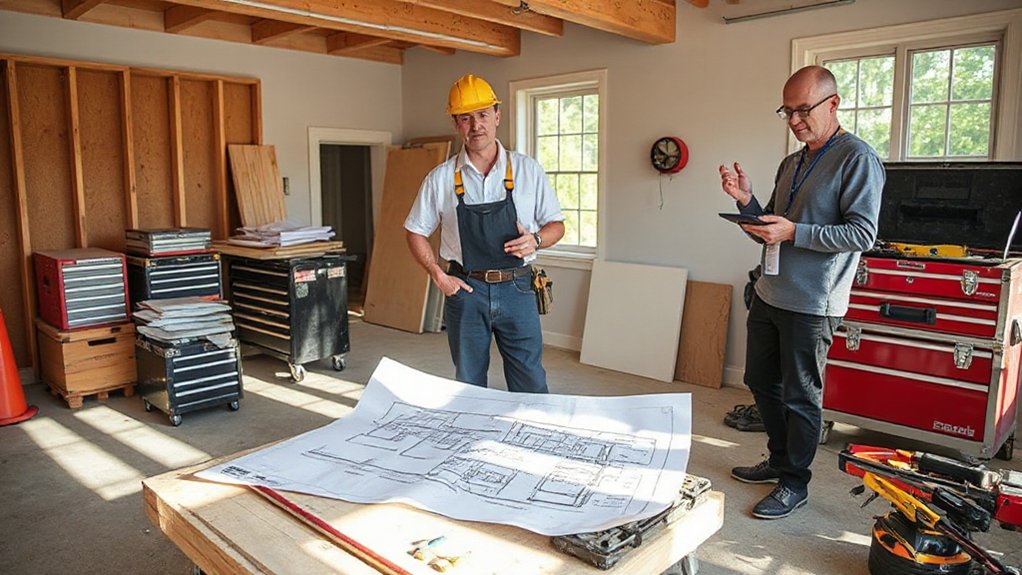
Before you call anyone, define exactly what the job includes and what it doesn’t. Then match that scope to the correct licensed trade. List affected systems (electrical, plumbing, HVAC, structural), access constraints, finish requirements, and whether you’re replacing like-for-like or altering layouts. That Scope clarity helps you avoid change orders and code conflicts.
Tie each task to permitted work: service-panel changes require a licensed electrician; gas piping or water-heater swaps need a licensed plumber/gasfitter; load-bearing changes call for a structural engineer and qualified contractor; refrigerant work requires certified HVAC.
Note inspection triggers, shutoff locations, and required clearances. When tasks overlap, assign a prime contractor to coordinate sequencing, permits, and responsible trades. That alignment protects schedule, budget, and tradesperson expertise.
Find Vetted Local Tradespeople (Best Sources)
Once you’ve matched the scope to the right license, focus on sources that verify credentials and performance—not just marketing. Start with municipal approved-contractor lists, utility or rebate program directories, and trade union or apprenticeship hall referrals for your area and project type.
Use reputable tendering platforms that require documented work history and job-site standards, then cross-check availability and service radius.
Ask local building-supply counters for names of crews that consistently pull correct materials and return for warranty items.
For specialty work, contact manufacturer “authorized installer” networks aligned to your specified system.
When you request quotes, require a written plan covering tools and equipment staging, access control, waste handling, and environmental considerations like dust, noise, runoff, and disposal routes.
Keep your shortlist to three.
Check a Tradesperson’s License, Insurance, and Reviews
With a shortlist of three vetted leads, you now need to confirm each contractor can legally perform the work and will cover the risk if something goes wrong. Verify their license number, trade classification, and status with your state or local authority, and confirm it matches the scope of work and any licensing requirements for permits and inspections.
Next, request current certificates for liability and workers’ comp, and check policy limits, effective dates, and your address or project name where applicable; solid insurance coverage protects you from property damage and injury claims.
Finally, review recent, detailed feedback on multiple platforms. Prioritize comments on schedule control, change orders, site protection, cleanup, and passing inspections. Flag patterns of code violations, unresolved warranty issues, or payment disputes before you proceed.
Ask These Questions Before Booking a Tradesperson
Although a tradesperson may look qualified on paper, you still need to confirm they can deliver your specific scope to code, on schedule, and without surprise costs. Ask what permits and inspections they’ll arrange, and which standards they follow for home safety.
Confirm who’ll perform the work onsite, their daily start/finish times, and how they’ll protect occupied areas, isolate power/water, and manage dust.
Ask how they’ll document changes: written variation process, photos, and updated timelines.
Clarify site requirements you must provide, including access, parking, and shutdown windows.
Discuss materials: who selects them, lead times, and substitutions.
Finally, ask what you can and can’t do yourself; get clear guidance on DIY limitations to avoid voided warranties, failed inspections, and unsafe rework.
Compare Tradesperson Quotes Line by Line

Before you pick the lowest number, compare each quote line by line and confirm you’re pricing the same scope, standards, and allowances. Check each trade’s inclusions: prep, protection, demolition, disposal, access, and cleanup.
Verify quantities, product models, ratings, and finishes match your spec, including waterproofing systems, insulation R-values, and fixing methods required by local code.
For cost comparison, separate labour, materials, equipment, and subcontractor items, then note any exclusions or assumptions.
Review provisional sums and allowances for realistic amounts and consistent brands.
For quality assessment, look for listed installation standards, manufacturer requirements, and test/commissioning steps where applicable.
Confirm timelines, working hours, site constraints, and who supplies certifications, photos, and as-built details.
Tradesperson Contracts, Payment Stages, and Red Flags
Once you’ve confirmed each quote covers the same scope and standards, lock the agreement down in writing so the price, quality, and timing stay enforceable.
Require Contract clarity: detailed scope, drawings/spec references, inclusions/exclusions, brands, tolerances, warranties, permits, inspections, and cleanup.
Set a change-order process that prices variations before work proceeds, and ties them to updated programme dates.
Use Payment milestones aligned to measurable deliverables (demo complete, rough-in passed, waterproofing certified, practical completion), not calendar dates.
Hold retention or final payment until defects are rectified and compliance certificates are issued.
Red flags: cash-only demands, large upfront deposits, refusal to itemise, no licence/insurance details, vague allowances, “time and materials” with no cap, and pressure to skip permits or inspections.
Frequently Asked Questions
How Do I Handle Disputes if the Work Quality Isn’T Acceptable?
Document defects with dated photos, reference specs, and issue a written notice. Invoke contract resolution steps, set a correction deadline, and withhold payment per terms. If unresolved, start dispute escalation: mediation, regulator, or small claims.
Can I Claim Tax Deductions or Rebates for Certain Home Improvements?
Yes—you can, but it depends… on purpose, efficiency, and local rules. Check Tax incentives and Home rebates for energy upgrades, accessibility, and renewables. Keep invoices, permits, and certification; file correctly, and document before/after specs.
Should I Tip a Tradesperson, and if So, How Much?
You don’t need to tip a tradesperson, but you can for exceptional work. Follow tipping etiquette: $10–$20 per worker or 5–10%. Make certain fair compensation first by paying invoiced rates; document change orders.
What Should I Do to Protect Pets and Children During the Work?
Like a well-set barrier, you’ll secure pet safety and child protection by isolating the work zone, locking gates, covering hazards, and controlling dust. You’ll supervise access, store tools/chemicals securely, and schedule loud tasks during outings.
How Can I Minimize Noise, Dust, and Disruption While Work Is Underway?
You’ll minimize noise, dust, and disruption by scheduling loud tasks, isolating work zones, and maintaining clear egress. Use Soundproofing measures (door seals, blankets) and Dust containment strategies (zip walls, HEPA filtration). You’ll clean daily.
Conclusion
Choose your tradesperson like your building’s life depends on it—because it kind of does. If you’ve nailed the scope, sourced vetted locals, verified licenses and insurance, and cross-checked reviews, you’re already ahead of most “weekend-renovation legends.” Ask pointed questions, compare quotes line by line, and lock everything into a contract with staged payments. If someone dodges permits, timelines, or itemized costs, don’t negotiate—run. Your project deserves code-clean work.