
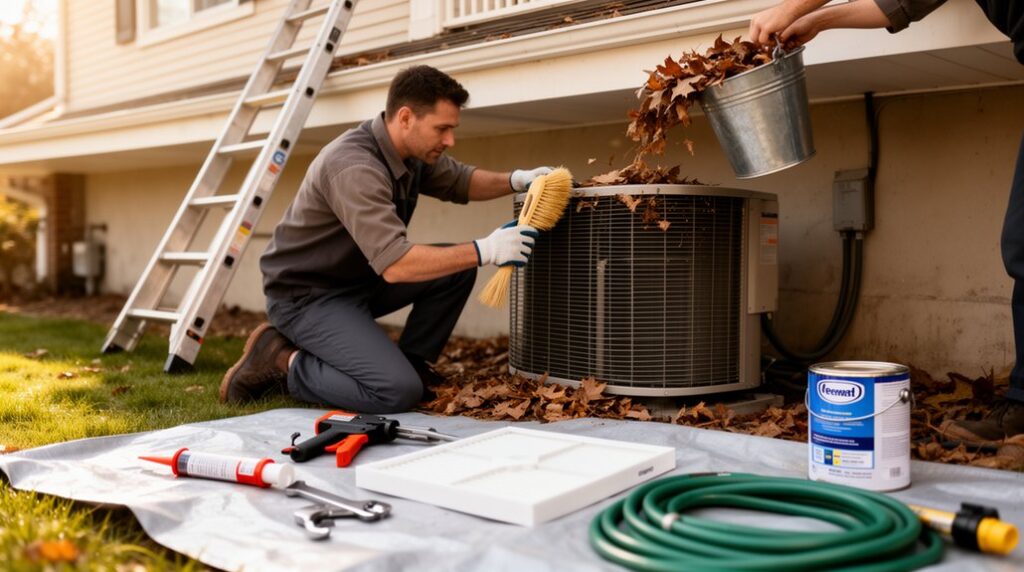

Like an ounce of prevention that saves a pound of cure, you can keep your home safe and code-compliant with routine checks that don’t take long. You should test smoke and CO alarms, look for tripped breakers or warm outlets, and replace HVAC filters on schedule. You can clear gutters, confirm downspouts discharge away from the foundation, and winterize exterior taps before freezing weather. Miss one step, and the next warning sign might not be obvious…
Home Maintenance Checklist: Start With Monthly Basics
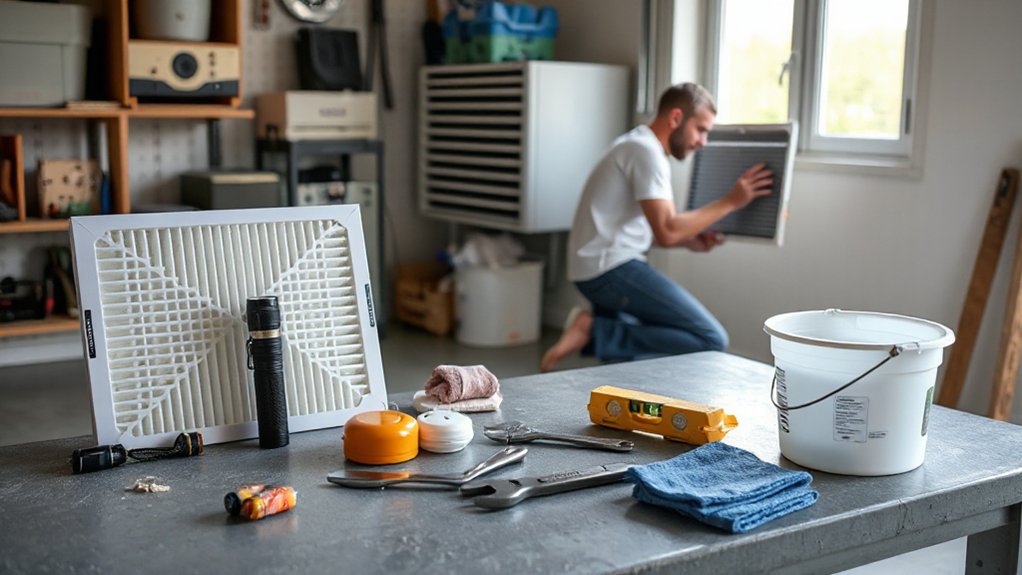
If you start with a few monthly basics, you’ll catch small issues before they turn into code or safety problems. Begin Routine inspections by testing smoke and CO alarms, verifying GFCI and AFCI devices trip and reset, and confirming exit paths and exterior lighting work.
Check under sinks and around water heaters for leaks, corrosion, or TPR discharge, and assure shutoff valves operate.
Replace HVAC filters per manufacturer specs, and clear dryer lint from the trap and vent hood to reduce fire risk.
For appliance maintenance, inspect refrigerator door gaskets, confirm the range hood vents properly, and check dishwasher hoses for bulges or seepage.
Document findings, correct hazards promptly, and schedule licensed repairs for electrical, gas, or plumbing defects.
Seasonal Home Maintenance Tasks for Spring and Summer
As spring arrives, you’ll inspect your home’s exterior for winter damage—check roof flashing, gutters, siding, and grading, and repair issues to keep water intrusion and code violations at bay.
You’ll also verify that exterior GFCI receptacles and hose bibbs work correctly and that ladders and tools are used per manufacturer safety guidance.
When summer heat hits, you’ll run HVAC efficiency checks by replacing filters, clearing condenser debris, confirming proper condensate drainage, and scheduling a licensed tune-up if performance or refrigerant issues appear.
Spring Exterior Inspection
Once winter loosens its grip, you should walk the entire exterior of your home and document any damage before small defects turn into water intrusion or structural decay.
Check grading and downspout discharge so water drains away from the foundation per local code.
From a stable ladder, inspect flashing at roof-to-wall connections, chimneys, and penetrations; reseal only with approved materials.
Examine siding, trim, and exterior paint for peeling, soft spots, or open joints; repair rot and caulk gaps to maintain the weather-resistive barrier.
Test exterior GFCI receptacles, confirm covers are intact, and replace cracked fixtures.
Use Landscaping tips: keep soil and mulch 6 inches below siding, clear debris from window wells, and prune branches off roofs and service lines.
Summer HVAC Efficiency Checks
Before the first heat wave hits, run a quick HVAC efficiency check to cut energy use and reduce the risk of mid-season breakdowns.
Shut off power at the service disconnect and verify the breaker’s labeling meets local code before you open any panels.
Replace or wash the filter, then clear debris two feet around the outdoor condenser for proper airflow.
Confirm Thermostat calibration by comparing the displayed temperature to a reliable thermometer; adjust settings or replace batteries as needed.
Inspect the condensate line for clogs and flush it to prevent overflow and microbial growth.
Check supply and return vents for blockage, and schedule duct cleaning if you see dust buildup or smell mustiness.
Listen for unusual startup noise and call a licensed technician for refrigerant issues.
Seasonal Home Maintenance Tasks for Fall and Winter
As temperatures drop, you’ll prep your heating system by replacing filters, testing safety controls, and scheduling a licensed inspection as required by local code.
You’ll seal drafts and boost insulation by weatherstripping doors, caulking penetrations, and confirming ventilation clearances around combustion appliances to prevent fire and CO risks.
You’ll winterize the exterior and plumbing by cleaning gutters, draining and shutting off exterior hose bibs, insulating exposed pipes, and protecting backflow devices per manufacturer instructions.
Prepare Heating Systems
When cold weather pushes your heating system into nonstop operation, a quick, code-aware tune-up helps prevent breakdowns and reduces fire and carbon monoxide risks. Schedule a licensed HVAC pro for a Heating system inspection of burners, heat exchanger, flue draft, and safety shutoffs, and confirm clearances to combustibles meet the appliance listing and local code.
Replace filters, verify combustion air openings aren’t blocked, and confirm the condensate drain (if applicable) flows freely.
Test CO alarms outside sleeping areas and on each level, and document dates per manufacturer guidance.
Next, perform thermostat calibration so the displayed temperature matches a reliable thermometer, and set programmable schedules to limit short-cycling.
If you use gas, check for odor and shut off and call service immediately.
Seal Drafts And Insulate
Where do most winter heat losses actually happen—right at the small gaps around doors, windows, rim joists, and plumbing/electrical penetrations—so you’ll get the biggest payoff by air-sealing first and insulating second.
Start with Draft proofing doors: replace worn door sweeps, adjust thresholds, and add perimeter weatherstripping that compresses evenly without binding latches.
For Weatherproofing windows, install sash locks, apply removable caulk or rope caulk at leaky joints, and add interior shrink-film kits where allowed by manufacturer instructions.
Seal rim joists with foam board plus fire-rated sealant at edges; keep clearance from heat sources and don’t block combustion air.
Then insulate to code-required R-values, maintain attic ventilation paths, and avoid covering recessed light fixtures unless IC-rated.
Winterize Exterior And Plumbing
How do you keep freezing weather from turning small exterior issues into burst pipes and costly water damage? Start outside: disconnect hoses, shut off and drain hose bibs, and install listed insulated covers for frost protection. Clear gutters and downspouts so meltwater can’t back up under shingles. Seal penetrations around sill plates and utility entries with exterior-rated sealant, and add outdoor insulation to exposed rim joists or crawlspace vents where allowed by code.
Inside, locate the main shutoff and test it. Insulate pipes in unconditioned areas, keep garage doors closed, and open sink cabinets on cold nights to let heat circulate. Set the thermostat no lower than 55°F. If you’ll be away, close the water supply and drain lines, or use approved antifreeze only in traps.
HVAC and Air Quality Maintenance Every Owner Needs
Although HVAC equipment often runs quietly in the background, it can become a safety and indoor air quality problem fast if you don’t maintain it. Replace filters on schedule, using the MERV rating your system allows, and keep return vents unblocked.
Book annual professional service for heating and cooling; technicians should verify combustion safety, check heat exchangers, confirm refrigerant charge, and test controls per manufacturer instructions and local code.
Install and test CO alarms near sleeping areas, and keep flue and intake piping clear to prevent backdrafting.
Manage humidity with clean drain pans and approved condensate treatment.
Reduce Indoor air pollutants by vacuuming registers and sealing duct leaks.
Improve Air purifier effectiveness by sizing units correctly and replacing cartridges on time.
Water Damage Prevention: Plumbing, Gutters, and Drainage
Water damage often starts with small, easy-to-miss failures—one loose supply connection, a clogged gutter run, or soil that slopes toward your foundation—so you’ll prevent costly rot and mold by building a simple inspection routine around plumbing, gutters, and drainage.
Inside, check under sinks, behind toilets, and at the water heater for drips, corrosion, or soft flooring. Tighten supply stops without over-torquing. Test shutoff valves so they close fully, and replace worn hoses with braided, code-listed lines.
Outside, perform seasonal gutter cleaning and confirm downspouts discharge at least 5 feet from the house, using extensions or splash blocks. Keep grade sloped away, about 6 inches over 10 feet where feasible.
Finish with drain inspection: clear debris from yard drains, verify discharge, and flush traps to maintain seals.
Safety Checks: Smoke Alarms, CO Detectors, and Electrical
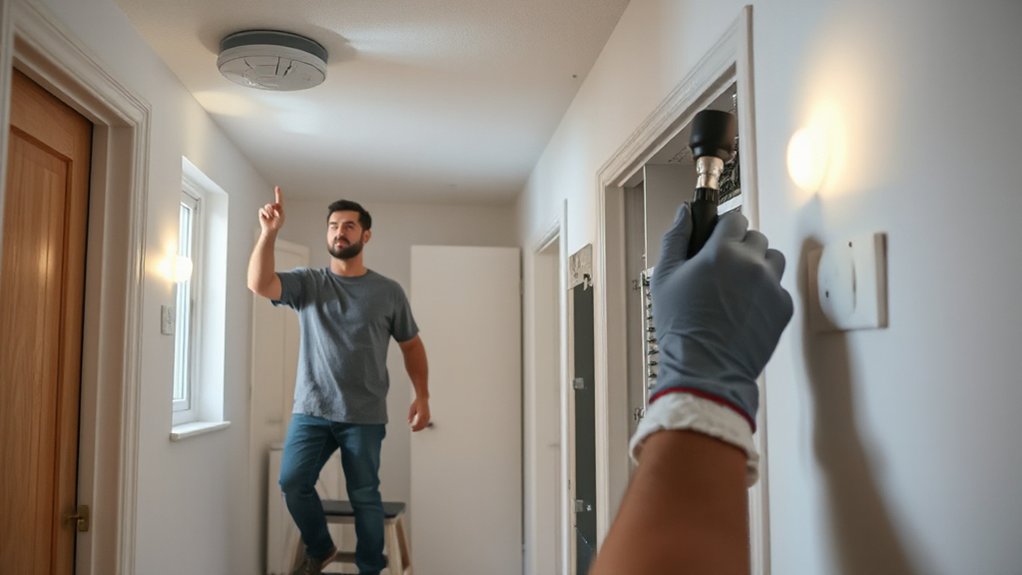
Because small failures can turn deadly fast, you should treat smoke alarms, CO detectors, and basic electrical checks as non-negotiable monthly maintenance. Press the test button on every alarm, verify the audible signal, and confirm interconnect function where installed. Replace batteries if they’re not sealed 10-year units, and replace the entire alarm at the manufacturer’s end-of-life date.
For fire safety, keep alarms on every level, inside bedrooms, and outside sleeping areas, and keep them unobstructed.
Test CO detectors near sleeping areas and on each floor; never place them in dead-air corners or next to fuel-burning appliances.
For electrical hazards, check GFCIs/AFCIs with their test buttons, look for warm outlets, scorch marks, loose plates, or tripping breakers, and schedule a licensed electrician promptly.
Frequently Asked Questions
How Much Should I Budget Annually for Routine Home Maintenance?
You should budget 1%–3% of your home’s value annually for routine maintenance. Use budget planning, schedule a yearly home inspection, and reserve extra for code-required safety items like GFCIs, smoke/CO alarms, and HVAC servicing.
Which Maintenance Tasks Are Best Handled by Professionals, Not DIY?
You should hire pros for HVAC inspections, Electrical wiring repairs, gas line work, main panel upgrades, roof flashing, and major plumbing. You’ll meet code, avoid shocks/leaks, and guarantee permits, load calculations, and verified safety tests.
How Do I Prioritize Repairs When Buying an Older Home?
Like triage in an ER, you’ll prioritize repairs by safety first: structure, roof, electrical, gas, and water intrusion. Use a Home inspection report for Repair prioritization, fixing code violations, then HVAC, plumbing, and finishes.
What Maintenance Records Should I Keep for Resale or Insurance?
Keep maintenance documentation: permits, inspection reports, contractor invoices, warranties, receipts, photos before/after, and system service logs (HVAC, roof, plumbing, electrical). You’ll support Insurance claims with dates, code references, serial numbers, and safety test results.
How Can Smart Home Devices Help Track Maintenance Schedules?
An ounce of prevention saves nine: you’ll use Smart sensors to log runtimes, leaks, and filter status, then receive Maintenance alerts for code-required tests and safe servicing intervals, so you’ll document compliance and reduce hazards.
Conclusion
Skip maintenance, and you invite leaks, outages, and hazards; stay consistent, and you protect comfort, safety, and resale value. Test smoke and CO alarms, label your panel, and correct loose outlets—small steps, big code-smart impact. Clean gutters and confirm drainage, yet also seal drafts and winterize hose bibs. Swap HVAC filters and schedule licensed service before extremes hit. Do these quick checks now, or pay for emergency calls later.