
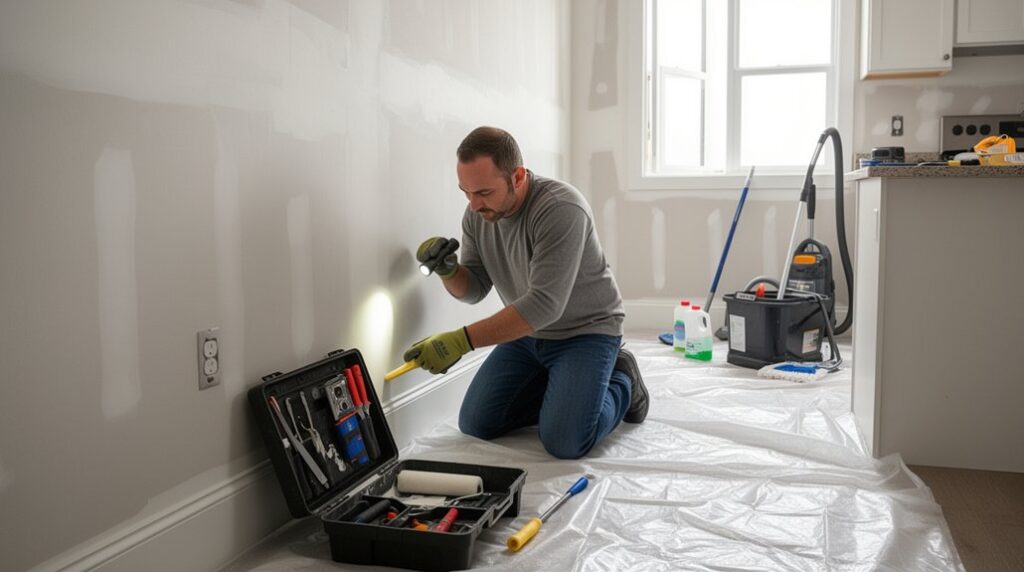

Like a seasoned captain checking a ship between voyages, you start with a methodical between-tenants walkthrough. You document every room, test doors and windows, and flag hazards that could trigger code issues or liability. Then you reset the unit with deep cleaning and sanitation, schedule urgent repairs, and confirm life-safety systems work as required. If you handle the order wrong, you’ll miss problems that cost more later—so start with the step most landlords skip…
Start With a Between-Tenants Property Walkthrough
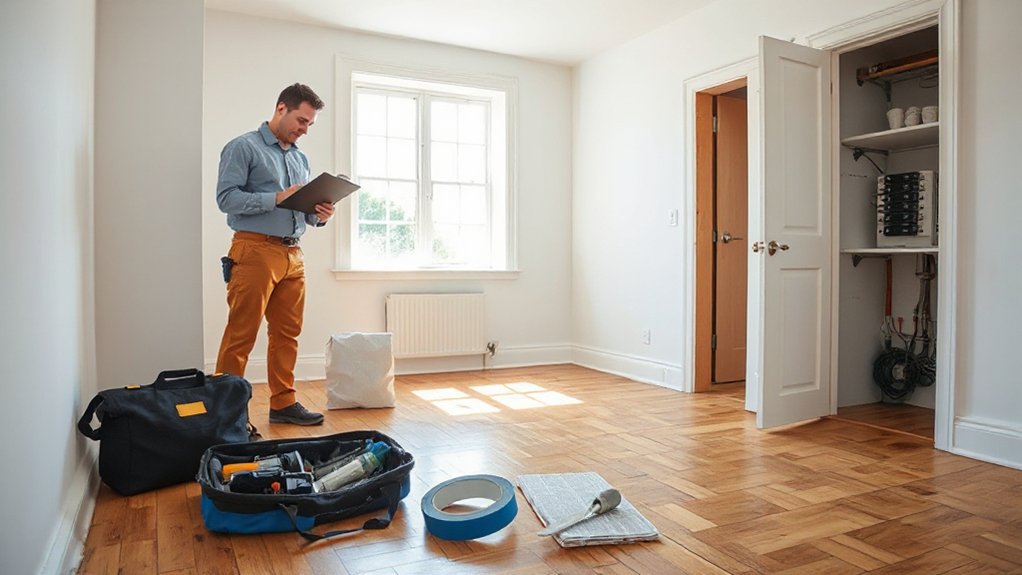
Before you schedule repairs or list the unit again, do a between-tenants walkthrough to document the property’s exact condition and flag anything that could violate habitability, safety, or local code requirements. Bring your move-out checklist, camera, and meter readings.
Photograph every room, plus smoke/CO alarms, egress windows, locks, rails, GFCI/AFCI outlets, plumbing shutoffs, water heater strapping, and any pest or moisture signs. Note broken fixtures, trip hazards, peeling paint, missing detectors, and leaks, then log locations and severity.
Compare findings to the lease, local ordinances, and prior inspection notes to separate normal wear from chargeable damage. Use clear Tenant communication to share the timeline, deposit process, and required access notices.
If you’re pursuing Lease renewal, record upgrade opportunities and verify compliance before offering terms.
Reset the Unit With a Deep Clean
Once you’ve documented the unit’s condition, reset it with a top-to-bottom deep clean that meets habitability standards and makes any remaining defects obvious. Start high and work down: remove cobwebs, dust vents and blades, wipe walls and baseboards, and clean light fixtures.
Sanitize kitchens and baths, including cabinet fronts, sinks, tubs, tile, grout lines, and countertops. Degrease the range hood and scrub inside the oven, microwave, and refrigerator; clean filters if accessible.
Wash windows, tracks, and screens; vacuum and mop all floors, then deodorize carpets per manufacturer guidance. Empty and disinfect trash bins.
Replace smoke/CO alarm batteries and HVAC filters only if your policy allows non-repair turnover tasks.
Finish with an Interior refresh checklist and minimal aesthetic updates like fresh caulk lines and polished hardware for move-in readiness.
Handle Repairs and Preventative Property Maintenance
After the deep clean exposes wear and hidden damage, tackle repairs and preventative maintenance in a compliance-first order: address any life-safety and habitability items (smoke/CO alarms, egress windows and locks, handrails, leaks, mold, electrical hazards, missing GFCI/AFCI where required).
Then move to mechanical reliability (HVAC performance, water heater relief valve and venting, plumbing shutoffs, exhaust fans).
Finish with durability fixes like caulk, grout, door sweeps, and weatherstripping.
Document each issue with photos, dates, and invoices, then re-test the fix.
Replace failing parts, don’t patch recurring leaks.
Lubricate hinges, adjust strike plates, and tighten loose hardware.
Change filters, clear dryer and bath vents, and flush the water heater if your manual allows.
Keep tenant communication ready: note repair timelines and what’s been serviced.
Confirm emergency preparedness by labeling shutoffs and posting updated contact numbers.
Complete Safety and Compliance Checks
Repairs and preventative maintenance don’t close the turnover loop until you verify the home meets every applicable safety and code requirement. Test and replace smoke and CO alarms, confirm proper placement, and log expiration dates. Verify GFCI/AFCI protection where required, tighten panel covers, and label breakers.
Check emergency egress windows, stair rails, trip hazards, and exterior lighting. Inspect fire extinguishers if you provide them, and confirm HVAC filters, combustion venting, and water-heater seismic strapping where applicable.
Guarantee locks, deadbolts, and window latches function and meet local standards. If your jurisdiction requires it, schedule rental inspections, lead-based paint compliance, or radon checks.
Align your Tenant screening criteria and Lease agreement clauses with these safety obligations.
Document Property Condition for the Next Lease
Before you market the unit or hand over new keys, document its condition so you can prove what you delivered and what you expect returned. Create a dated photo and video walkthrough of every room, including floors, walls, ceilings, appliances, windows, locks, and exterior areas. Capture serial numbers, meter readings, and any existing wear. Save files in a labeled folder and back them up.
Update your move-in checklist and attach it to the next lease as an addendum. Record completed repairs with invoices, permits, and warranties, and note any safety test results.
Use clear tenant communication: share the checklist at signing and require initials on key items. This baseline supports fair deposit decisions and smoother lease renewal discussions later too.
Make Smart Upgrades That Speed Up Renting
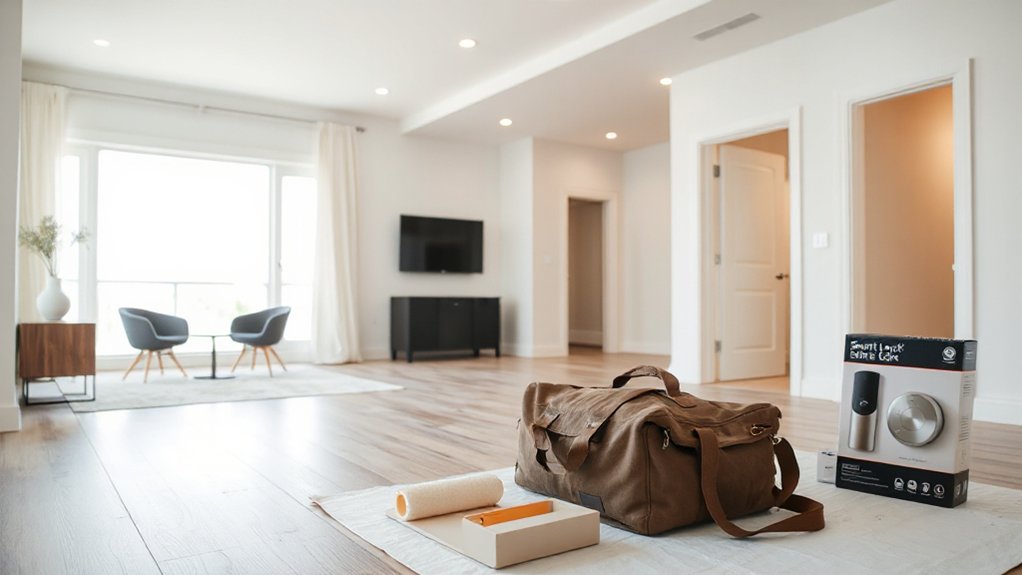
With your condition photos, checklist, and repair records organized, you can focus on upgrades that reduce vacancy time and attract stronger applicants without creating compliance headaches.
Prioritize durable, code-friendly improvements: LED lighting, low-VOC paint, water-saving fixtures, and hard-surface flooring that meets slip resistance and fair-housing accessibility needs.
Replace worn outlet covers, recaulk wet areas, and service HVAC with documented filter dates so inspections go smoothly.
Add smart locks only if you can manage credential resets and local egress rules.
For property marketing, photograph upgrades, list energy-efficiency features, and disclose any permit-backed work.
Keep finishes neutral to widen appeal and avoid steering.
During tenant screening, apply consistent criteria tied to verified income, rental history, and ID checks, and store applications securely per privacy requirements.
Frequently Asked Questions
What Tax Deductions Apply to Between-Tenant Maintenance and Cleaning Expenses?
You can deduct ordinary maintenance and cleaning as rental expenses; capitalize improvements under depreciation rules. You can’t claim Tax credits unless eligible. Keep invoices, dates, and allocations, and report on Schedule E. Consult tax professional.
How Long Should You Keep Move-Out Photos and Inspection Records?
Keep move-out photos and inspection records at least 3–7 years, or longer if your state requires. You’ll need them to justify Security deposits, handle disputes, and document condition changes for lease renewals.
Do You Need Tenant Permission to Enter After a Lease Ends?
You typically don’t need tenant permission once the lease ends and they’ve surrendered possession, but you must follow Entry regulations, respect Tenant privacy, document vacancy, secure belongings, and avoid harassment or unauthorized access.
Should You Adjust Rent After Making Upgrades Between Tenants?
Yes, you should consider a Rent adjustment if upgrades measurably raise market value or reduce operating costs. Document Upgrade impact, compare comps, follow rent-control rules, provide required notices, and avoid discriminatory pricing or retaliatory increases.
What Insurance Coverage Applies During a Vacancy Between Tenants?
You’ll typically rely on vacancy insurance or a vacant property endorsement; standard landlord policies may limit property coverage after 30–60 days. Notify your insurer, document vacancy dates, secure utilities, and meet local code requirements.
Conclusion
When one tenant’s chapter closes, you’re not just “turning the unit”—you’re giving it a fresh start. Walk the space, note what needs a little attention, and tackle a deep clean that doesn’t miss high-touch areas. Fix defects fast, prioritize life-safety and mechanicals, and verify code-required detectors, GFCIs, and locks. Document everything with photos and dates, then choose durable, low-maintenance upgrades. Do it right now, and leasing gets easier later.