
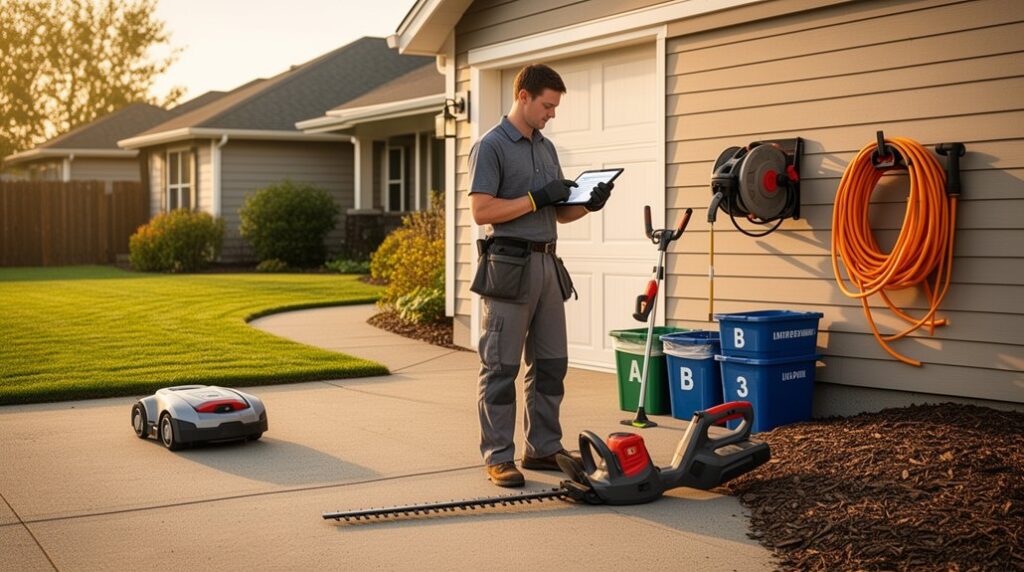

When you treat maintenance like brushing your teeth, you avoid the “root canal” repair—many landlords find small, scheduled checks cut surprise costs by thousands each year. You can set up a routine fast by building one repeatable checklist, scheduling seasonal tasks, and using the 80/20 rule to hit high-risk items first. Batch similar jobs, automate reminders, and keep a tight vendor list with photos and notes in one folder—but one mistake can undo all that…
Set Up a Property Maintenance Routine Fast
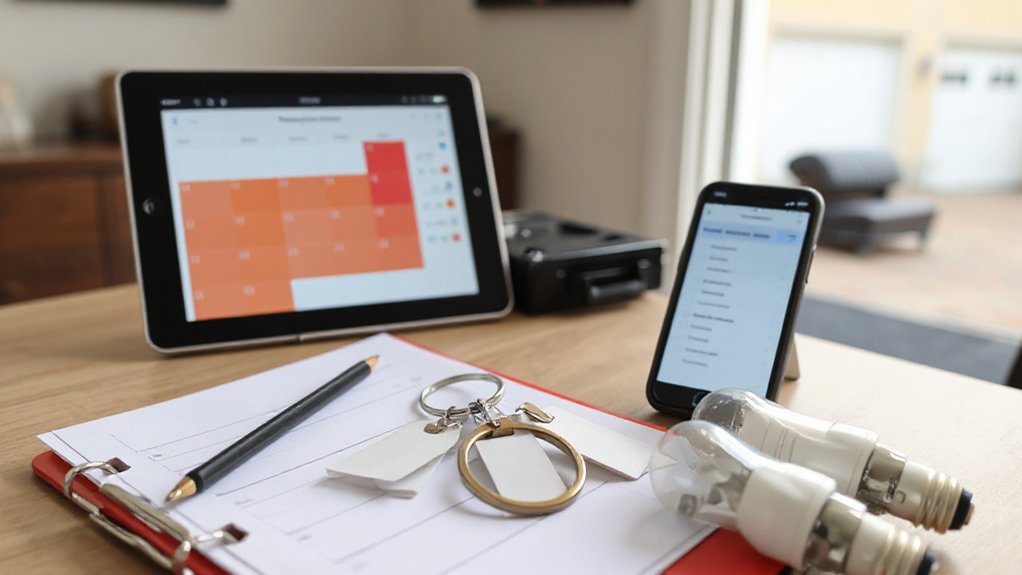
If you want a maintenance routine you’ll actually stick to, start by setting a simple schedule around your property’s key systems—HVAC, plumbing, electrical, exterior, and safety items—then assign each task a clear frequency (weekly, monthly, quarterly, and annually).
Put the schedule on one calendar you already use, then set recurring reminders with a 48-hour lead time so you can order parts or book service.
Bundle appointments: pair filters, smoke/CO tests, and drain checks on the same day.
Use a brief Property inspection walkthrough at each seasonal change to spot leaks, corrosion, trip hazards, and grading issues before they escalate.
Finally, streamline vendor negotiation by keeping three quotes, response-time targets, and approved price ranges so you can approve work fast.
Build a Repeatable Maintenance Checklist
Build a repeatable maintenance checklist so you don’t miss recurring tasks like filter changes, gutter cleaning, and safety tests.
List each task by system (HVAC, plumbing, exterior) and assign an owner, needed tools, and a clear pass/fail standard.
Then set inspection frequencies—weekly, monthly, quarterly, or seasonal—based on manufacturer guidance, property use, and past issues.
Define Recurring Tasks
Before small issues turn into expensive repairs, define the recurring tasks that keep your property stable and predictable. Start by listing repeatable actions: replace HVAC filters, flush water heaters, test smoke/CO alarms, clear dryer vents, check caulking and grout, clean gutters, service lawn irrigation, and lubricate door hinges and garage tracks.
Keep each task measurable with a clear “done” standard, required tools, and estimated time.
Next, group tasks by area (exterior, mechanical, safety, plumbing, finishes) so you don’t miss anything when you’re busy.
Tie each item to property scheduling in a shared calendar or maintenance app, then use task automation to create templated work orders, reminders, and supply lists.
Finally, track completion notes and photos to spot patterns early.
Set Inspection Frequencies
Once you’ve defined your recurring tasks, lock them into a repeatable inspection schedule so nothing slips through the cracks. Assign each item a frequency—weekly, monthly, quarterly, or annually—based on risk, wear, and warranty requirements. Put safety-critical checks (smoke alarms, exits, leaks) on the shortest cycle, and bundle low-risk items to reduce trips.
Use seasonal planning to time weather-dependent work: gutters and roof before rainy months, HVAC filters and tune-ups before peak heating/cooling, irrigation and exterior seals before summer.
Build inspection schedules around occupancy: do quick “walk-and-look” checks between turnovers and deeper audits during slower weeks.
Set calendar reminders, create a simple pass/fail checklist, and log results so you spot trends and adjust frequencies fast.
Schedule Property Maintenance by Season
Schedule your property maintenance by season so you handle the right tasks at the right time and avoid last-minute rushes.
In spring and summer, you’ll focus on inspections, exterior upkeep, and system tune-ups that keep everything running efficiently.
In fall and winter, you’ll shift to weatherproofing, clearing hazards, and preparing heating and drainage so cold snaps don’t turn into costly repairs.
Spring And Summer Checklist
As temperatures rise and daylight stretches longer, spring and summer become the best time to tackle exterior and moisture-related maintenance that can prevent costly damage later. Start by inspecting your roof, flashing, and siding for cracks, loose shingles, or soft spots. Then clear gutters and downspouts to keep water moving away from the foundation. Reseal exterior caulk around windows, doors, and hose bibs to block leaks.
Follow landscaping tips: trim branches away from the roofline, keep mulch a few inches from siding, and grade soil so it slopes away from your home. Refresh irrigation settings and check for hidden leaks.
Use pest control strategies: remove standing water, screen vents, seal entry gaps, and schedule a targeted perimeter treatment before infestations spread indoors.
Fall And Winter Prep
When colder weather closes in, fall and winter prep helps you lock down leaks, protect systems, and avoid emergency repairs. Start outside: clear gutters, extend downspouts, and grade soil so water drains away.
Seal gaps around doors, windows, and utility penetrations with caulk or foam; add door sweeps and replace worn weatherstripping as key Weatherproofing measures.
Next, protect your systems. Service the furnace, replace filters, and test carbon monoxide and smoke alarms.
Drain and shut off exterior spigots, blow out irrigation, and insulate exposed pipes.
Inspect the roof for loose shingles and check attic insulation and ventilation to reduce ice dams.
Finish by securing outdoor furniture, storing hoses, and installing safe, non-slip entry mats before you hang seasonal decor.
Prioritize Property Maintenance With the 80/20 Rule
If you’re trying to maintain a property without losing weekends to endless to-dos, the 80/20 rule helps you focus fast: 20% of your maintenance tasks typically prevent 80% of the costly damage and urgent calls.
Start with Maintenance prioritization: list systems that fail expensively—roofing, plumbing shutoffs, HVAC, gutters, electrical panels, and moisture control. Inspect these first, then schedule fixes before cosmetic work.
Use Resource allocation to match effort to risk: put more budget and time toward leak detection, drainage, filter changes, caulking, and safety tests (smoke/CO, GFCIs).
Track repeat issues and tenant complaints to find your “high-impact” tasks. Review quarterly, adjust priorities, and document outcomes so you’ll keep preventing emergencies.
Batch Tasks to Save Time on Maintenance
To cut maintenance time without cutting corners, batch similar tasks into one focused session instead of scattering them across the month. Group interior checks (filters, detectors, leaks) with one quick property inspection walkthrough, then move straight to exterior items like gutters, lighting, and irrigation.
Keep tools, bulbs, batteries, and sealant in a single tote so you’re not hunting supplies mid-task.
Next, batch planning and follow-up. Review notes, prioritize fixes, and prepare one clean scope list per trade. Do your contractor communication in one block: send photos, measurements, access details, and preferred dates together, then confirm materials and completion standards.
Finish by logging what you did and what’s pending so your next session starts with decisions, not detective work.
Use Apps to Automate Property Maintenance Reminders
Although sticky notes and spreadsheets can work, apps handle maintenance reminders faster and more reliably. Choose one platform and set recurring tasks for filters, smoke alarms, gutter checks, pest treatments, and seasonal HVAC service. Add due dates, photos, and notes so you don’t repeat inspections or miss specs.
Turn on Smart notification settings that alert you before deadlines, then escalate if you haven’t confirmed completion. Use app integration to sync reminders with your calendar, email, and shared household or team accounts, so everyone sees the same schedule.
Create templates for each property, then duplicate them when you add units. Review the dashboard weekly, close out finished items immediately, and adjust frequencies based on age, weather, and tenant usage.
Create a Simple Vendor List for Quick Fixes

When a small issue pops up, a simple vendor list lets you book the right help in minutes instead of scrambling for recommendations.
Start by listing your go-to plumber, electrician, HVAC tech, locksmith, handyman, and pest control. Add one backup for each trade so you’re not stuck when someone’s booked out.
Keep Vendor contacts complete: name, company, phone, email, service area, hours, license/insurance notes, and after-hours availability.
Tag each vendor with common Quick fixes they handle (leaky faucet, tripped breaker, clogged drain, thermostat swap). Include preferred payment methods and whether they’ll coordinate with tenants directly.
Store the list where you can grab it fast on your phone, and review it quarterly to remove no-shows and add better options.
Keep Maintenance Records Without Paperwork Chaos
Even if you manage repairs fast, scattered receipts, texts, and invoices will eventually cost you time and money. Centralize everything in one system so you can pull proof, dates, and costs in minutes.
Use digital documentation: scan paper receipts, save emailed invoices as PDFs, and upload photos of completed work. Create a folder structure by property, then by category (plumbing, HVAC, electrical, appliances), and name files with a consistent format: YYYY-MM-DD_vendor_service_amount.
Log each job in a simple spreadsheet or property app with fields for issue, unit, vendor, warranty status, and next follow-up date. Set a monthly 15-minute calendar reminder to reconcile new files and flag missing invoices.
With solid record organization, you’ll answer tenant questions, validate warranties, and simplify taxes fast.
Prevent Emergency Repairs With Quick Inspections
How often do small issues turn into expensive emergencies because nobody caught them early? You can stop that cycle with quick, Routine inspections that take 10 minutes but save hours of disruption.
Start with a weekly walk-through: check for leaks under sinks, drips at hose bibs, damp spots on ceilings, and unusual odors near drains. Test GFCI outlets, replace HVAC filters, and listen for new rattles in fans or pumps.
Monthly, scan exterior caulking, gutters, and grading for water runoff problems. Photograph anything suspicious and schedule a fix immediately.
Pair inspections with Emergency preparedness: know your main shutoffs, keep a basic tool kit, and store contractor contacts in your phone. Small checks now prevent urgent calls later.
Frequently Asked Questions
How Much Should I Budget Annually for Routine Property Maintenance?
You should budget 1%–4% of your property’s value annually for routine maintenance. Use cost estimation on age, systems, and climate, then tighten budget planning by tracking repairs, reserving a contingency, and reviewing expenses yearly.
Do I Need Permits for Common Maintenance Work Like Plumbing or Electrical?
You often do need permits for plumbing or electrical beyond minor repairs. Check local Permit requirements and maintenance regulations, scope of work, and licensing rules. Call your building department first; unpermitted work can trigger fines.
What Maintenance Tasks Can Legally Be Done by Tenants Versus Landlords?
Like a shared ship, you steer small fixes: cleaning, lightbulbs, filters—Tenant responsibilities. You report issues, don’t rewire or alter plumbing. You expect habitability, structural, major plumbing/electrical repairs—Landlord obligations. Check lease/local laws.
How Do I Choose a Reliable Property Manager for Ongoing Maintenance?
Choose a manager by verifying licenses, references, and maintenance vendor networks. You should demand clear pricing, strong Tenant communication, and documented Emergency preparedness. Review response times, reporting tools, inspection schedules, and contract exit terms before signing.
What Insurance Coverage Helps Reduce Costs From Unexpected Maintenance Issues?
You’ll cut unexpected maintenance costs with landlord/property insurance covering water damage, liability, and loss of rent, plus optional equipment breakdown. Manage Insurance claims carefully and set adequate Coverage limits and deductibles to match risk.
Conclusion
You’ve built your maintenance routine, so congrats—you’re now the “fun” person who schedules gutter cleanings instead of surprises. Keep your checklist tight, work by season, and let the 80/20 rule boss your priorities. Batch tasks, automate reminders, and save vendors like they’re emergency contacts (because they are). Log photos and receipts in one digital spot. Do quick inspections, and you’ll prevent those dramatic, wallet-draining “urgent” calls.